EW explores some of the issues affecting the current state of the exhibition logistics sector, with key players explaining the trends and challenges.
The Gulf exhibition elephant in the room
Perhaps the biggest challenge on the international logistics market, in general, including the part of it serving trade fairs, is continuing uncertainty in the Gulf region and its effect on transport.
In addition to extreme cost increase, the conflict around Iran is causing deep market uncertainty, leading to further cancellations and postponements of regional exhibitions and events.
Major aviation hubs and seaports in the Middle East are considered unsafe, and many exhibitors and visitors from Asia are avoiding connecting travel to Europe and the USA also. Their absence as exhibitors means less freight from Asia to Europe and the USA.
While the International Exhibition Logistics Association (IELA) says it is addressing these logistical barriers through proactive risk management and alternative routes, nevertheless there is significant damage to the expectation and profitability of the exhibition market.
Pedro Magalhães, CEO of Europalco, the largest provider of solutions for events and shows in Southern Europe, says the impact from the situation in the Gulf is primarily being felt in general cost volatility and the unpredictability of global timelines. He says his company is mitigating this scenario through much more rigorous planning. “We focus on maximising cargo optimisation and smart travel management, ensuring that logistical efficiency on the ground compensates for any external market instability.”

In North America, Jacqueline Russo, director customs brokerage, senior consultant, Baker Logistics Consulting, Inc., says Maersk lines has made a number of cancellations for landside loadings and alternatives for transportation to and from the major Middle Eastern ports.
“Most of the logistics operators have added significant fuel surcharges and essentially ‘conflict-based’ fees due to the extreme measures these companies have had to navigate,” she says.
“Concurrently, any cargo from the Middle East to the US for exhibitions must ship a significant amount of time in advance or not make it to the show. Often exhibitors from the Middle East have distribution in Europe and are able to move goods from those warehouse facilities,” she adds.
Overall, the current situation for fairs and events, perhaps, says sector specialists DSV, reflects less a trend towards cancellations and more a shift towards postponements: projects remain in place, but timelines are adjusted or formats adapted.
“A key success factor in this environment,” DSV notes, “is transparent and continuous communication with all stakeholders. Aligning timelines, transport solutions and budgets with current market conditions, while building in appropriate buffers, is essential to reduce risk and minimise last-minute disruption.”

Harnessing AI
IELA says it is using AI to optimise transport routes in real time to reduce traffic delays across all modes of transport. “Automated on-site logistics tools such as slot management and resource management,” IELA says, “reduce unnecessary empty runs and lower costs, while in operational processing, intelligent chatbots handle communication with exhibitors around the clock.”
Russo adds that in the US AI is primarily being used by both organisers and individual exhibition managers to manage timing, event spend, event analysis and to maximise participation in terms of booth and transportation costs, space fees, pre-show marketing and housing. There are also real time ways to measure ROI when looking at previous years’ sales tied to event participation, she says.
Within the US the use of AI may be limited to scheduling, paperwork review, price negotiation, because exhibition logistics is not generally handled by an on-site logistics company. “Convention centres in the US are not bonded areas,” says Russo, “therefore, all logistics, US customs clearance, pre-show warehousing take place in various ports, warehouses and customs areas. While most large exhibitions do offer an ‘official’ customs broker/freight forwarder, no exhibitor is required to use the nominated company.”
Sustainability: the new norm
Sustainability is no longer just a trend, it is the norm and IELA has a new tool for measuring CO2 emissions of on-site logistics equipment, but notes supply chain flexibility is a key issue, with the industry sometimes now reluctant to invest.
Europalco is an ISO 20121 certified company and its CEO says its commitment to sustainable practices includes a continuous focus on material reuse and completely abandoning the use of plastic stretch wrap to protect furniture, which has been fully replaced by reusable textiles.
“Today, the market demands transparency and consistency, and clients look for partners who can prove, through tangible actions and audited processes, that they are truly reducing the ecological footprint of their events.”
For the London Marathon 2025 a fully HVO fuelled vehicle fleet was deployed by DSV and they were able to reduce emissions and ensure reliable on site support across multiple locations.
Such projects, DSV believes, demonstrate that successful event logistics is less about moving goods from A to B, and more about anticipating risk, adapting quickly and acting as a trusted partner throughout the entire event lifecycle.
Stateside, a big question for exhibitors when thinking sustainability, says Russo, is, “Should we pay to have it disposed of or pay more than the goods are worth to return them to us abroad?”. “Most shows are offering donation options for booth materials like furniture, fixtures etc., and this has done a lot for overall waste,” Russo notes.
She adds that the cost to move goods within the US continues to be a big issue. “Transport to an intermediate warehouse includes cost to move and cost to hold the goods as well as unloading and reloading charges. Goods need to arrive well in advance of the target move in dates to allow for delays in transport. The advance warehouses of most of the general service contractors have detailed restrictions on the types of items they will receive, the packaging, and the weight. Additionally, there are charges for trucking fuel, waiting time and, in the case of distant marshalling yards, charges by carriers for multiple stops.”
What else is trending?
IELA adds its members are seeing a change in exhibition concepts. “These are becoming hyper-personalised experiences,” the association says. “The industry should also keep a close eye on new growth markets, even though some countries still face major infrastructure challenges, they are catching up fast and, in terms of trends, the topic of ‘data analysis’ is becoming ever more crucial. Today, both exhibitors and visitors demand deeper, data-driven insights into the return of investment of their participation at exhibitions.”
With profitability under pressure due to rising energy costs, IELA says it is placing more importance on benchmarking and efficiency campaigns to support its members.
Europalco’s Magalhães believes the industry must look closely at hyper-personalisation, using data to create unique experiences tailored to each attendee.
“Another major trend is the Human Factor and Wellbeing,” he adds, stressing the importance of designing event spaces that prevent attendee burnout and which feature more organic networking spaces.
DSV sees its recent merger with the Schenker businesses as emblematic of a broader market trend. “Organisers and exhibitors are increasingly looking for strong, globally positioned partners that can provide reliability, consistency and planning security, even in a volatile and constantly changing environment,” say DSV’s regional development director Garcia Newell and head of network development, Laura Weiß.
“A clear trend across all projects is the growing demand for tailor made logistics solutions that go far beyond transportation alone,” they note.
“This includes detailed advance planning with organisers and venues, the intelligent use of multi modal transport options, and flexible on site support during build up and breakdown phases. Creativity often lies in delivering seamless operations despite tight timelines, restricted venue access or last minute changes.”
They give the example of DSV’s work on WHX Dubai, which took place in early February and required a highly coordinated logistics approach due to the scale of international exhibitor participation and very tight build up schedules. The focus was on detailed advance planning and early alignment on freight flows and delivery windows. On site, teams provided operational support for build up and breakdown processes, allowing exhibitors to focus on delivering the event experience.
In the midterm, in the US, costs and regulation will continue to be the biggest trends and ultimately obstacles to growth, Russo believes. “The industry should be looking at creative solutions to make it less stressful, more uniform for international exhibitors to participate in a trade show,” she says. “The US continues to be an excellent market in which to do business. However, many other forms of marketing could pose increasing threats to the overall exhibitor base for any industry. Organisers must focus on programmes aimed at supporting cost reduction.”
A fresh take from Asia
One of the fastest growing markets across all sectors globally is India. We asked India-based logistics specialists R.E. Rogers for their views on market shifts.
Chairman and MD Ravinder Sethi tells EW India signed 15 major Free Trade Agreements (FTAs) and Comprehensive Economic Partnership Agreements (CEPAs) in 2025–26 and they mark significant gateways opening for the logistics market. Infrastructure development is also at a peak in India, he explains, with the logistics segment identified as a key driver. This includes new seaports, airports, air cargo hubs, Free Trade Warehousing Zones, rail networks, and enhanced waterways for domestic transport.

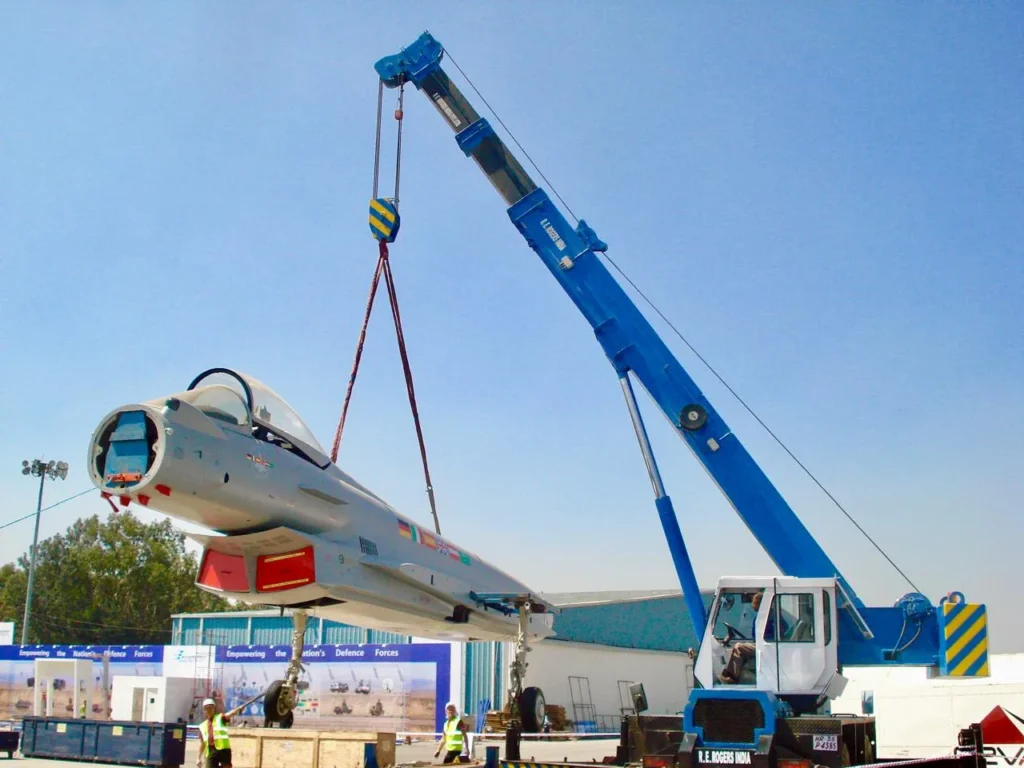
R.E. Rogers has concluded exhibition projects for Plastindia 2026 in New Delhi, Imtex 2026, and India Wood 2026 in Bengaluru – “three mammoth events reflecting the return of the exhibition industry in full flow,” says Sethi.
Covid taught his team to broaden their exhibition base and R.E. Rogers now has many contracts on the live events side, supporting big music shows with infrastructure expertise. They have included: Linkin Park and Def Leppard. “Our teams provided comprehensive support, including stage infrastructure, warehousing, transportation, stagehands, and equipment.” Sethi adds that such events reflect the massive increase of interest in India now by the live events industry.
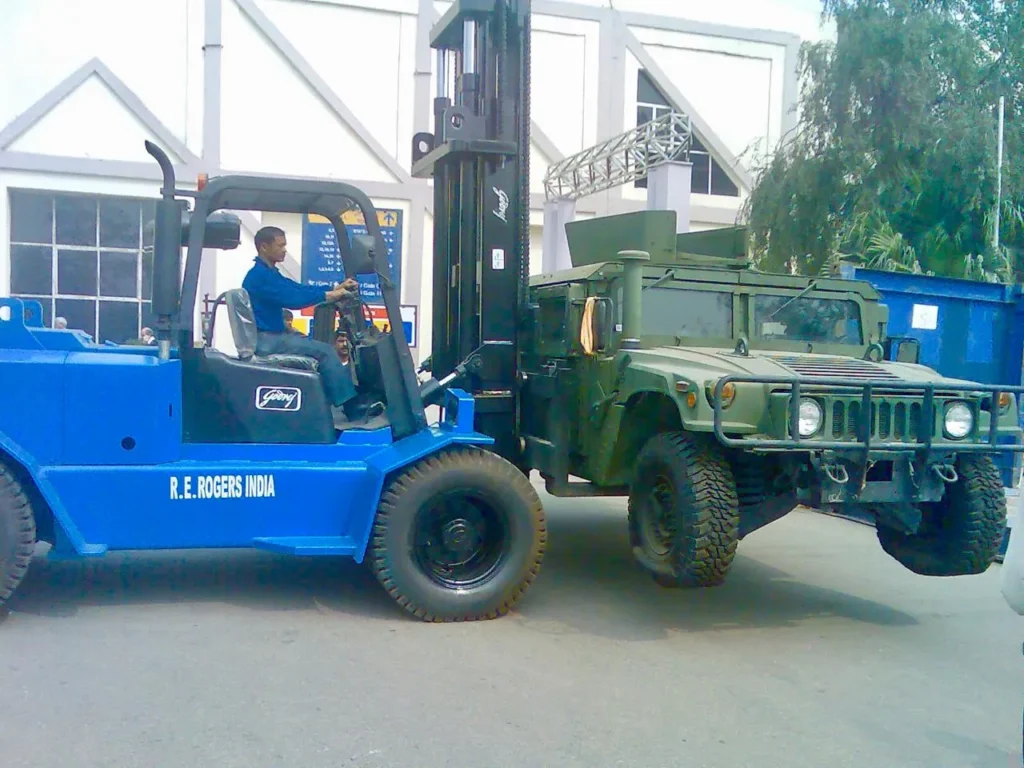
Transferable skills from exhibitions, Sethi points out, include: traffic management at venues; supply of special equipment and operators, in-house customs clearance experience at venues and on-site operations working 24×7.
Sethi also confirms the economic ripple effects in India from the war in the Gulf. They include, he says, higher freight costs, fuel price volatility, longer lead times and higher insurance costs.
Water flow will always find a route, and likewise exhibition logistics, it seems.
“Early contingency planning with buffer timelines, long term storage, alternative ports, greater collaboration with carriers, shippers/forwarders to secure capacity are now in play,” he says.
That is not to minimise the challenges. The Strait of Hormuz has become the global nerve centre influencing fuel availability and pricing dynamics. Only a political solution can bring back normalcy, Sethi believes.
Meanwhile, the requirements in exhibition and event logistics continue to grow in complexity, driven by increasingly international formats, shorter build up and breakdown windows, and rising expectations around transparency and reliability. There are clearly plenty of challenges, but plenty of skill and creativity in the sector to rise to them.