


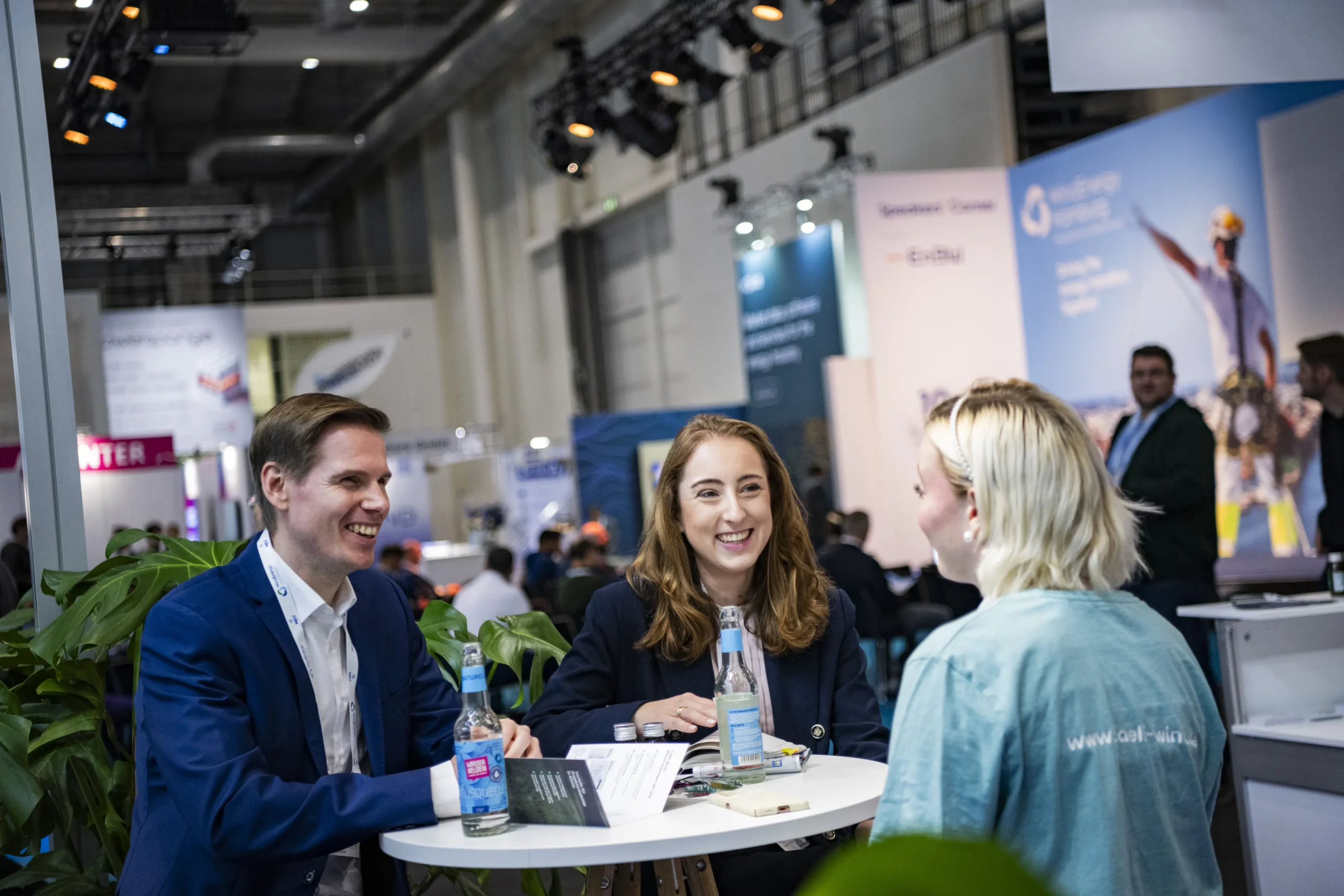
Hamburg wind industry fair to premiere special energy storage exhibition17th April 2026 | published by Paul Colston SHARE
Grid stability is one of the greatest challenges to the expansion of renewable energy. When wind turbines produce more power than the grid can absorb, they must be curtailed, which means compensation payments for operators for the lost energy. Nearly €600m was paid to them in Germany in 2024 alone; in UK, operators even received twice as much. On the other hand, fossil fuel-burning power stations have to go on line during a lull to cover the power demand. Smart energy storage technologies a...
Other News
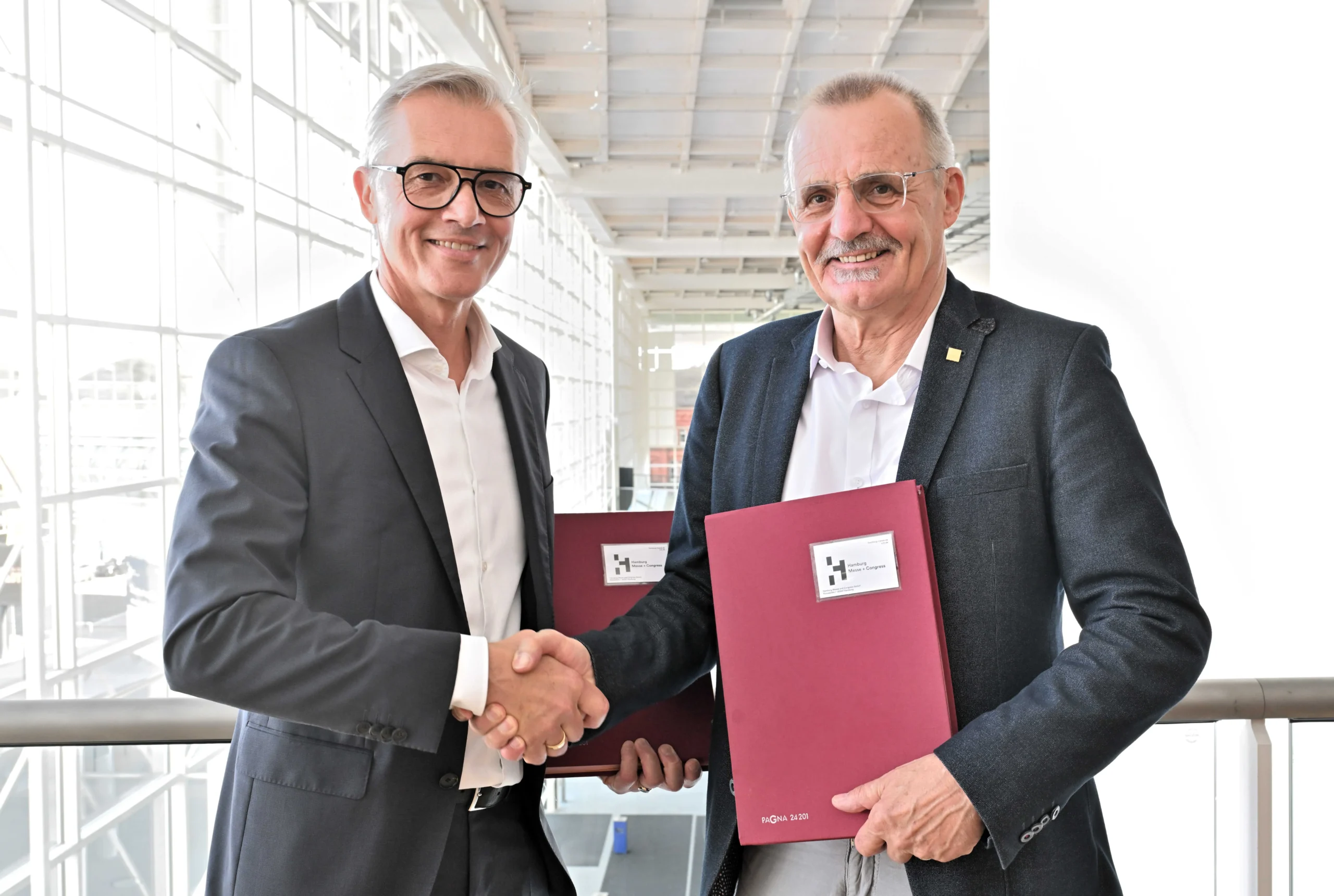
INTERGEO to move German venues under new ten-year agreement with geodesy association
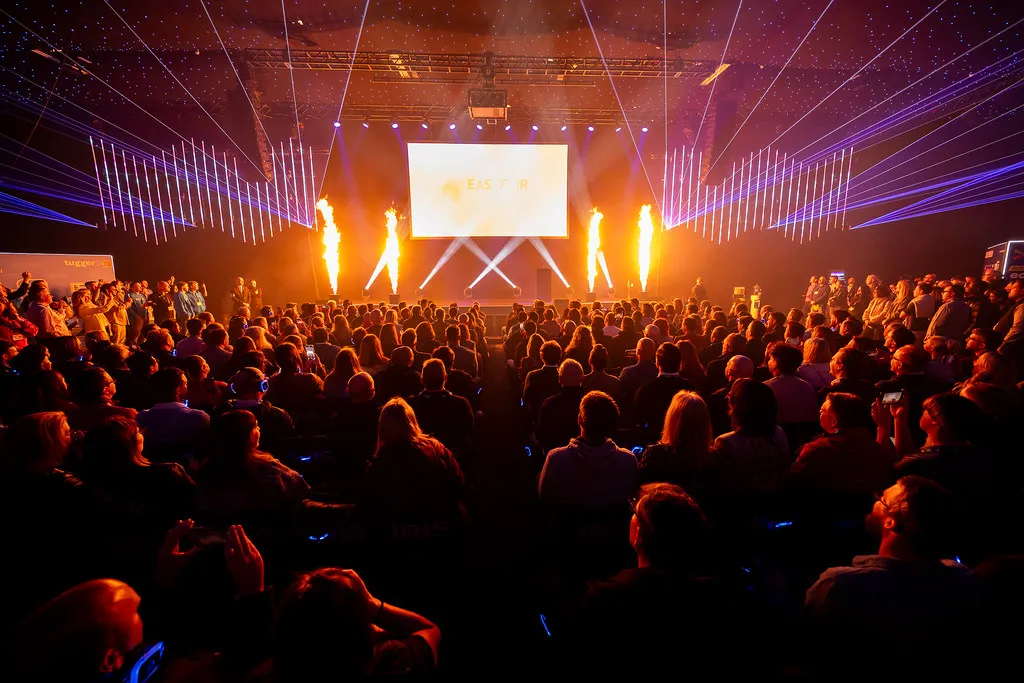
Easyfairs to launch Digital Accountancy Show in the US

GL Events overall H1 results maintain momentum, although Exhibitions division numbers drop 28%
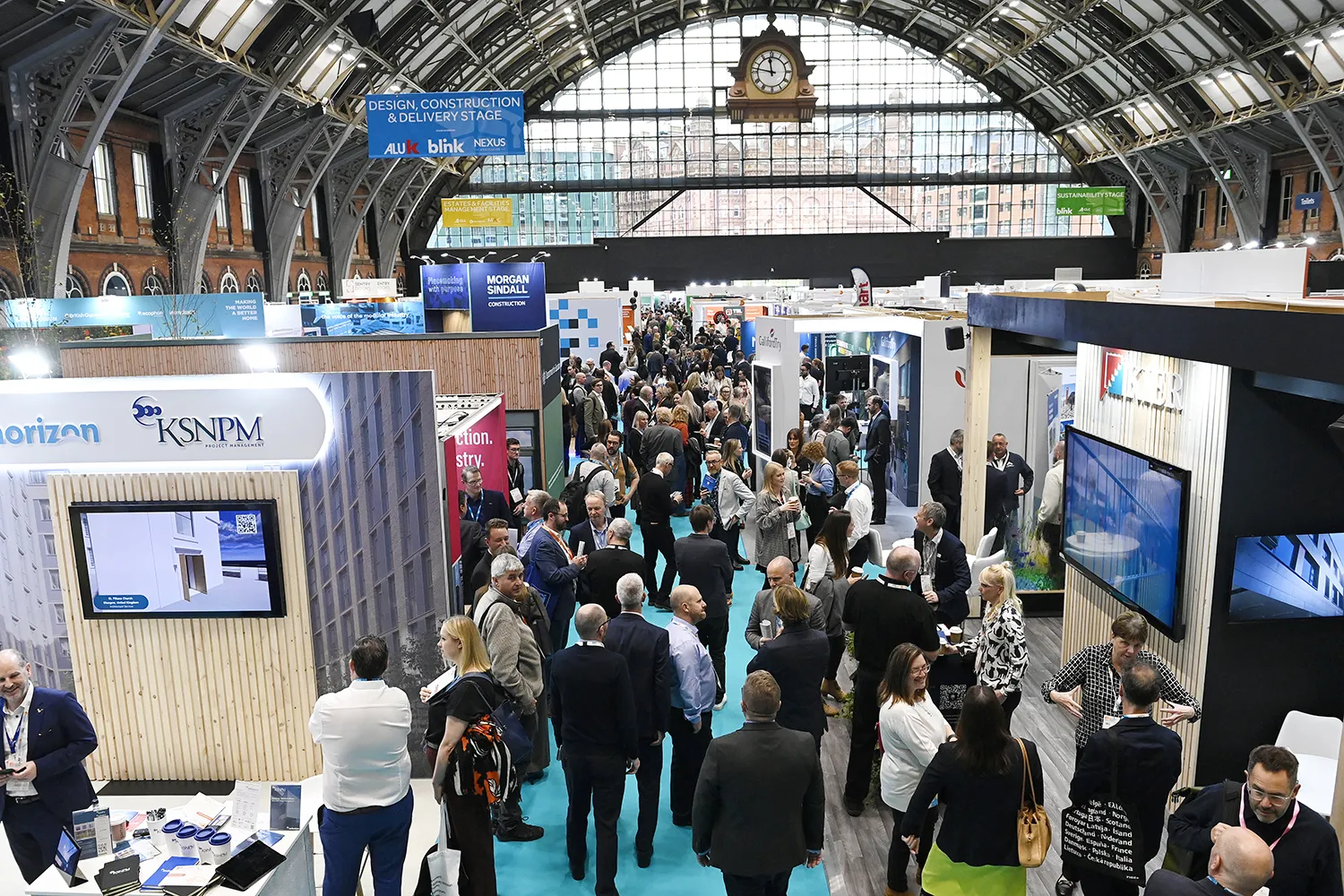
STEP CONNECT2 partners with national body ahead of Education Estates event in October

RX senior VP to head ReedPop

Hamburg Messe signs deal with Explori

Grip tool connects Claude and GPT to live event data, reports saving organisers 10 hours per event

Arabian action stations: IEG to organise two new expos
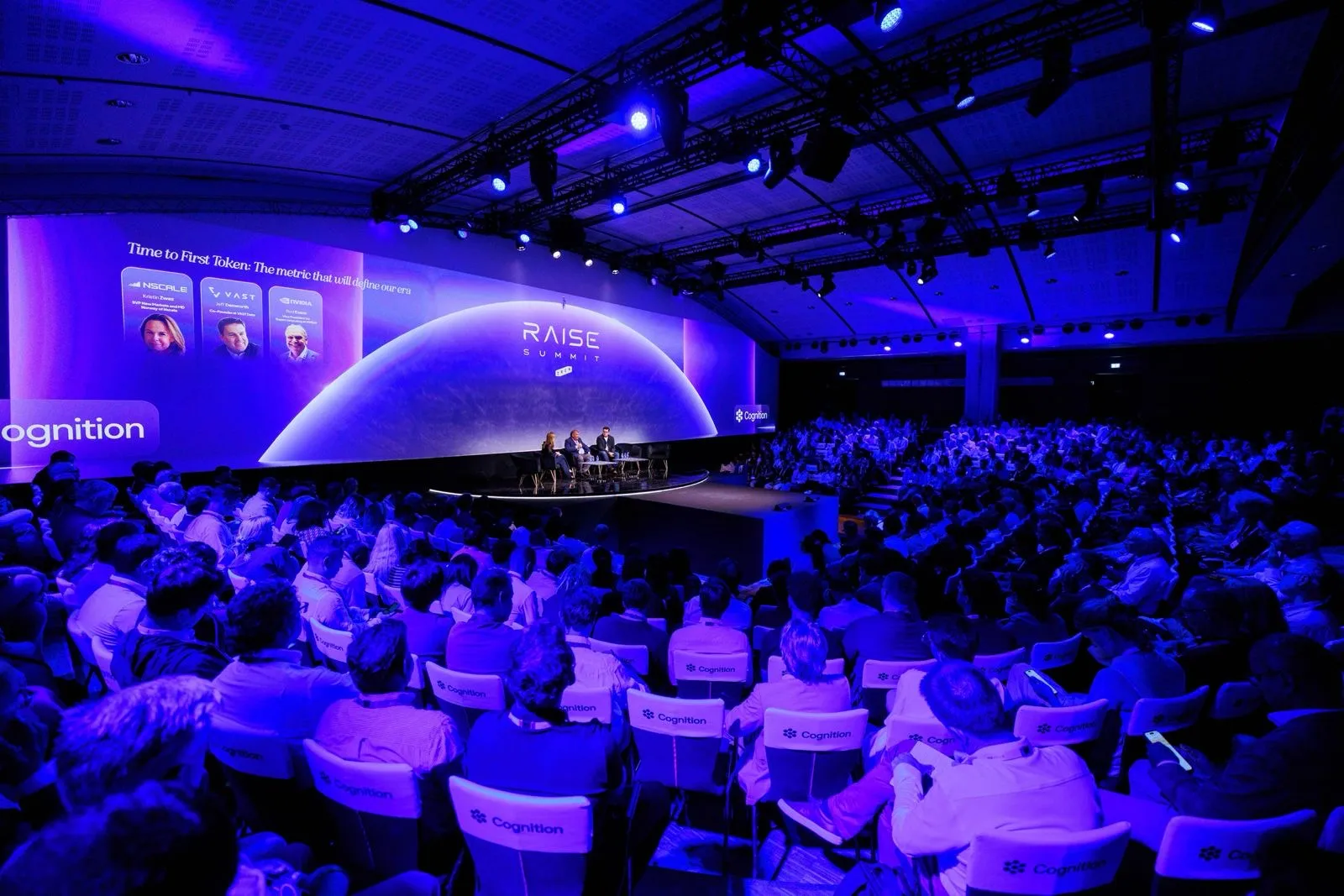
Hyve acquires leading European AI, robotics and crypto events
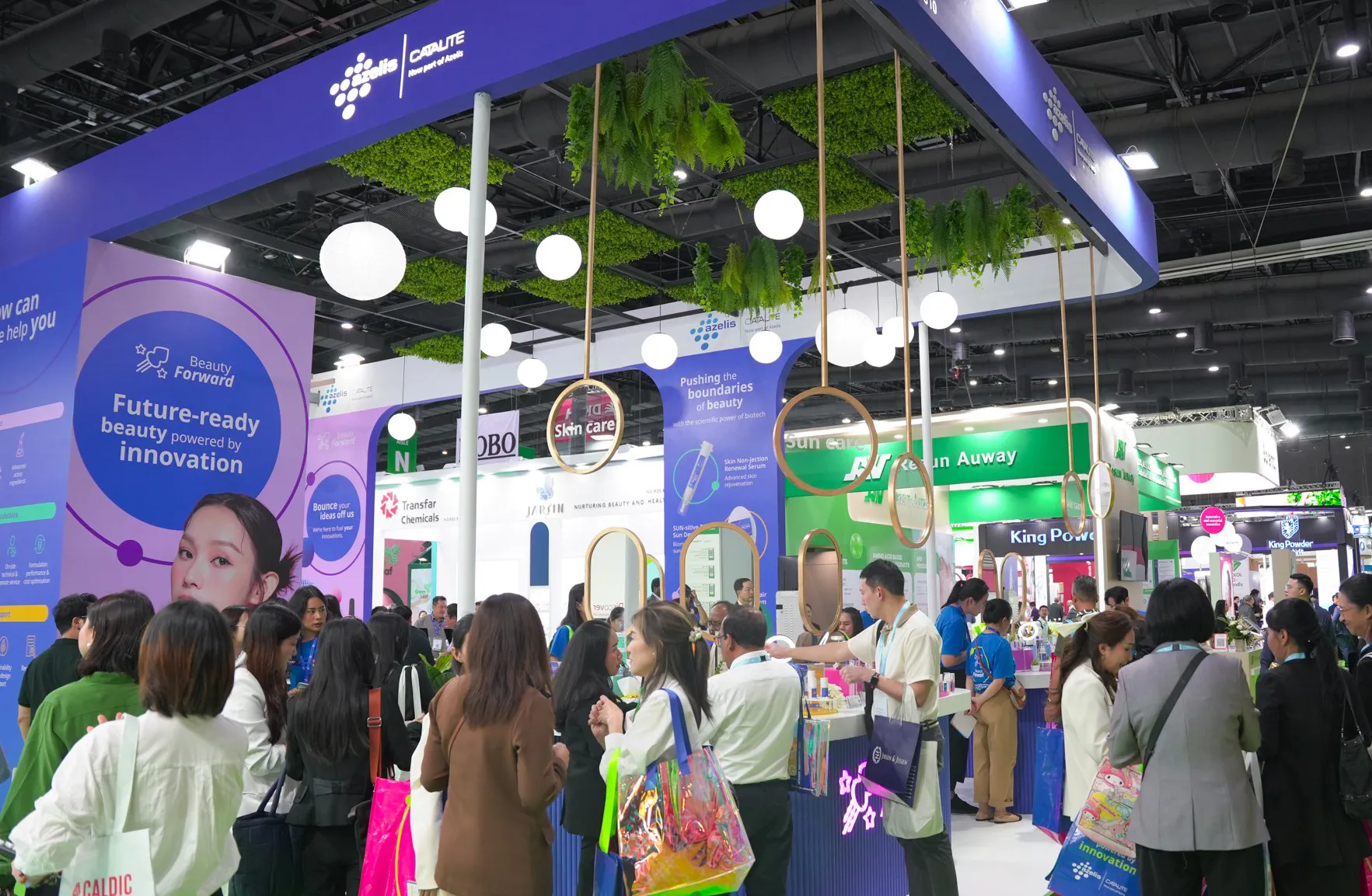
in-cosmetics Asia made up for 2026 return in Thailand
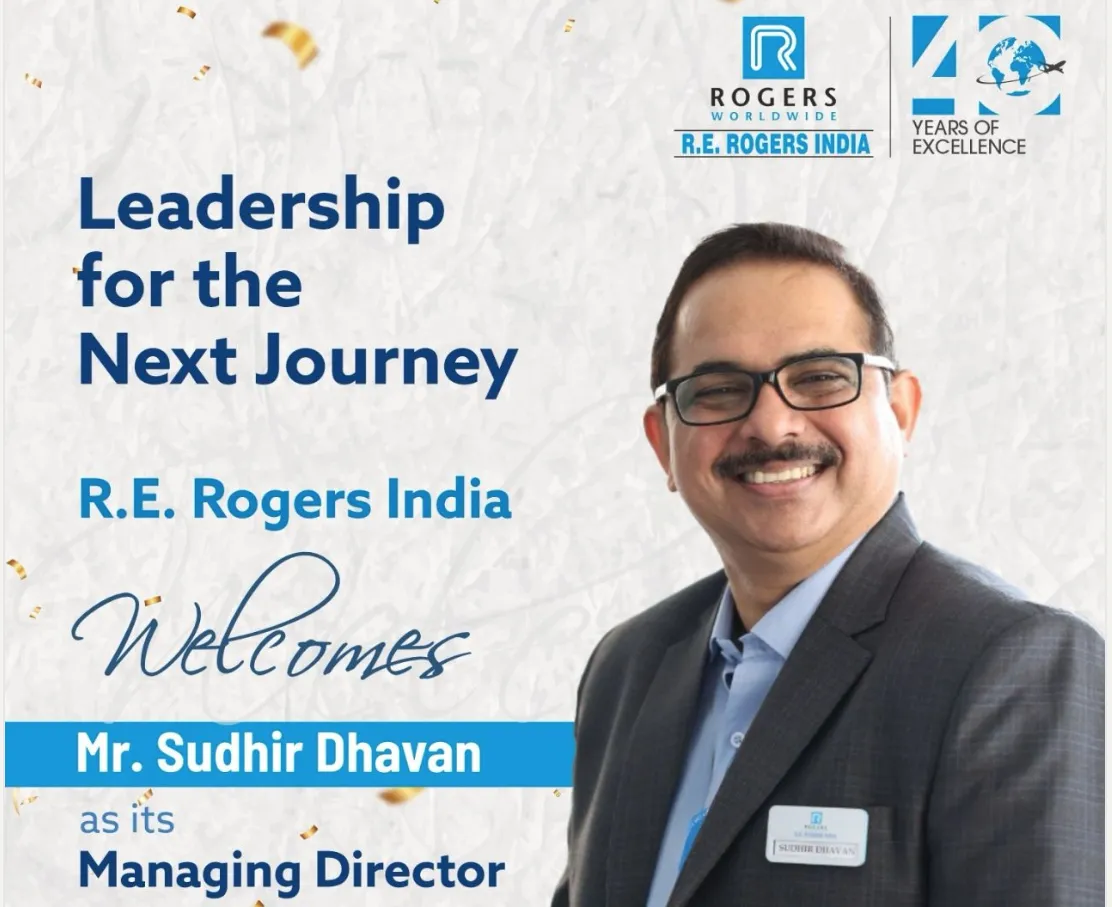
R.E. Rogers India appoint new MD

New recruit to support UFI’s events operations

ExpoPlatform appoints former IMEX technology chief to commercial role
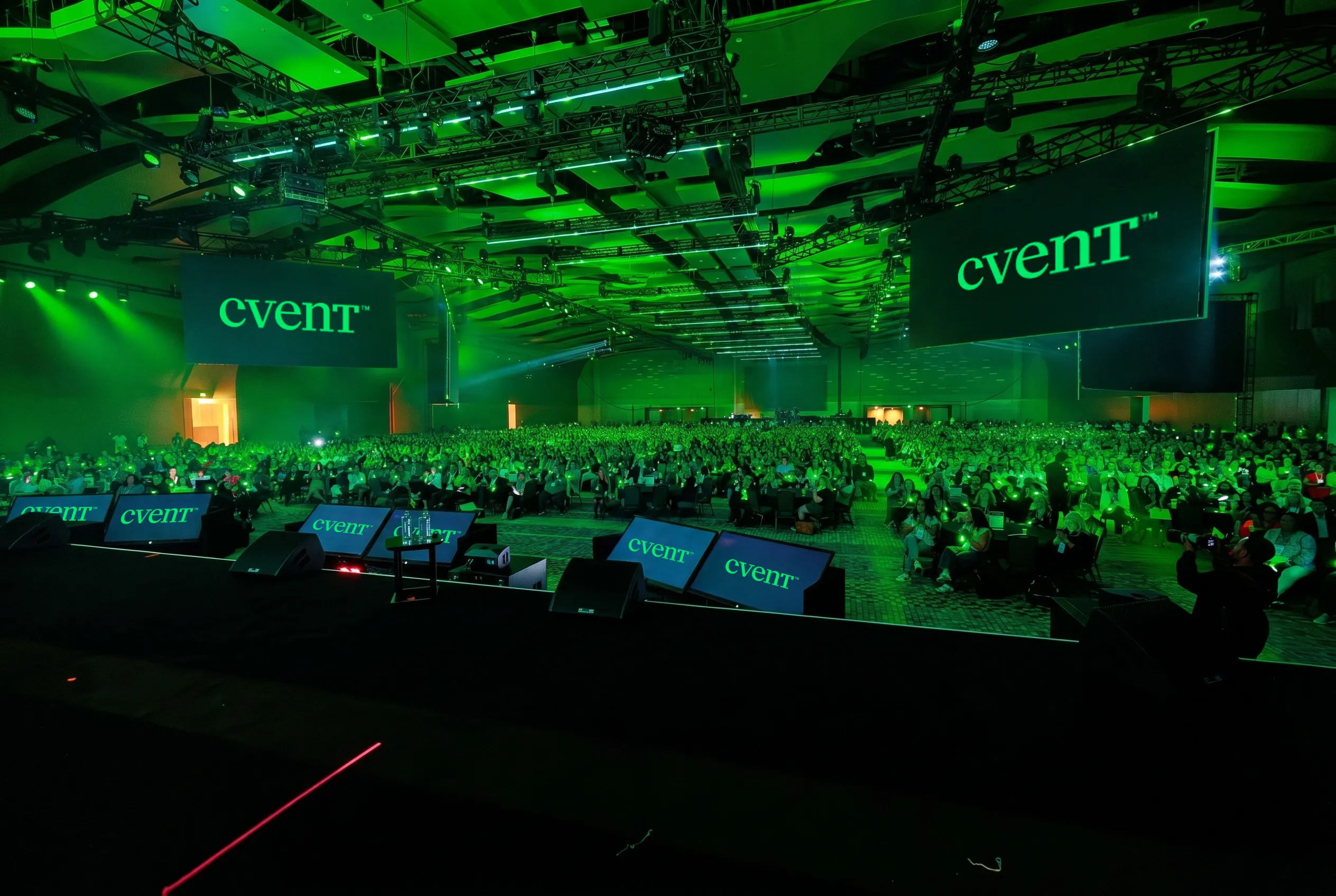
Cvent launches rebrand and $1bn investment plan
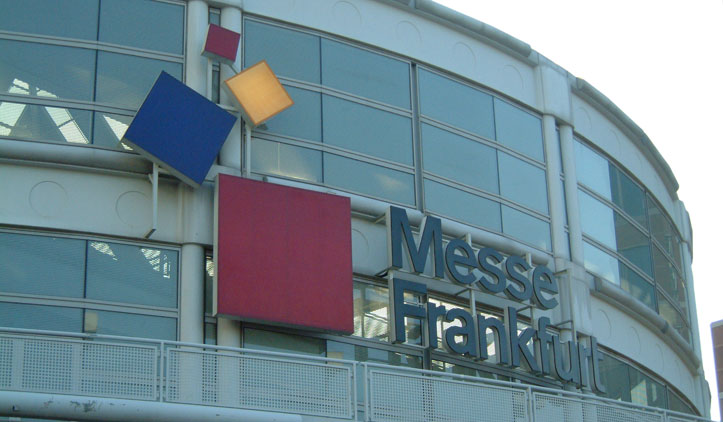
Messe Frankfurt UK takes over LiGHT Expo London
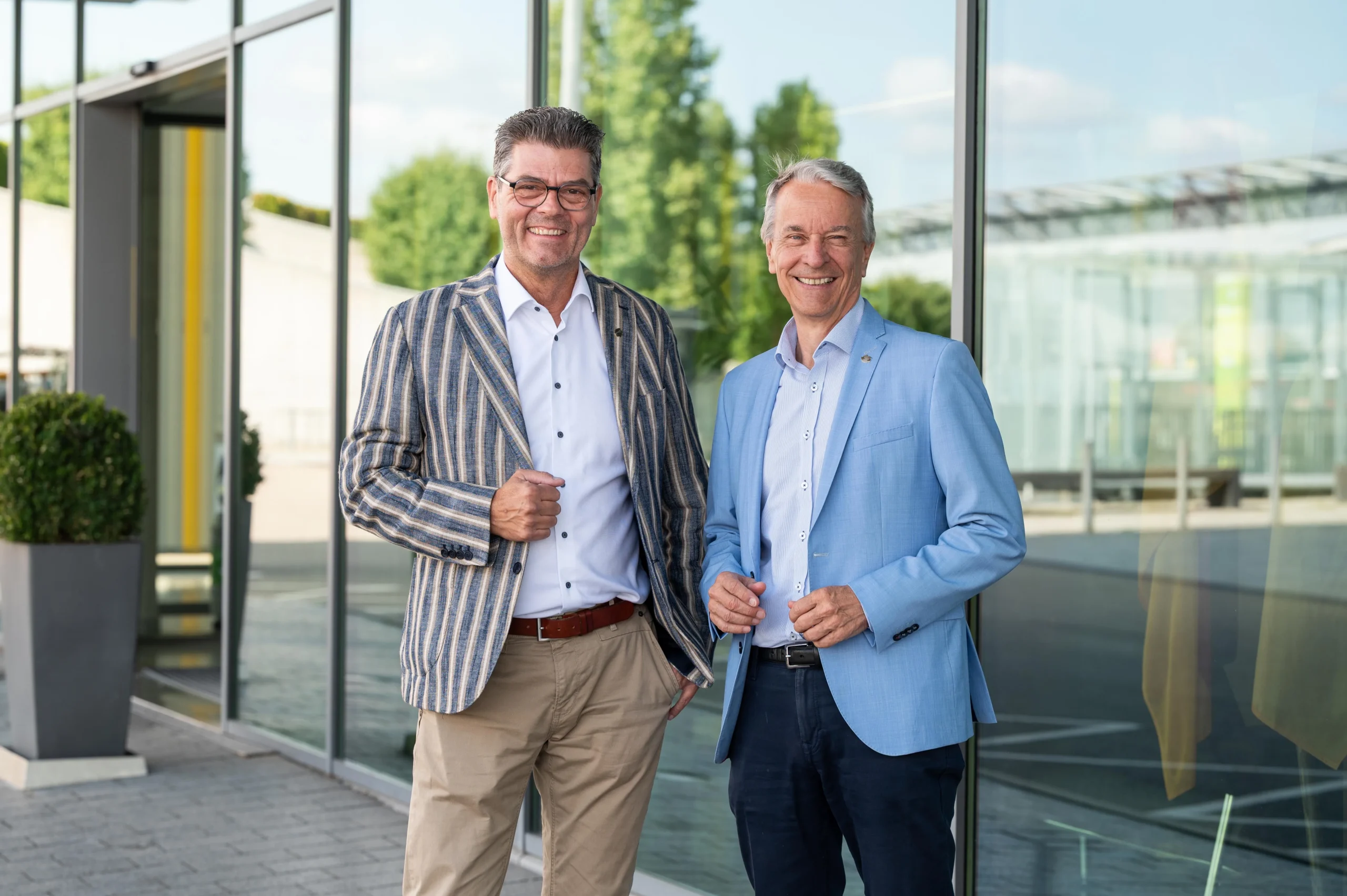
Messe Stuttgart hosts a over 1m visitors during past financial year with more international expansion planned

Comexposium makes strategic leadership appointments

Leap rebrands Ticketbooth as part of APAC expansion

ExpoPlatform to support meeting experiences across flagship Hyve events
IAAPA Expo Europe 2026 now a Certified Sustainable Event

Informa appoints new chair-elect

RX announces leadership change in France

Latest UFI Global Exhibition Barometer shows limited impact of situation in the Middle East
Mash Media confirms Leading Authorities International as official speaker bureau partner
The Soar Point: If you don’t believe the AI hype, try this avatar for size…

FFAIR and Jonas Event Technology close gap between registration and exhibitor management

AI can write the email. It cannot shake your hand

ADNEC Group reports record economic impact

Hyve enters Legal SuperVertical with acquisition of LegalTechTalk
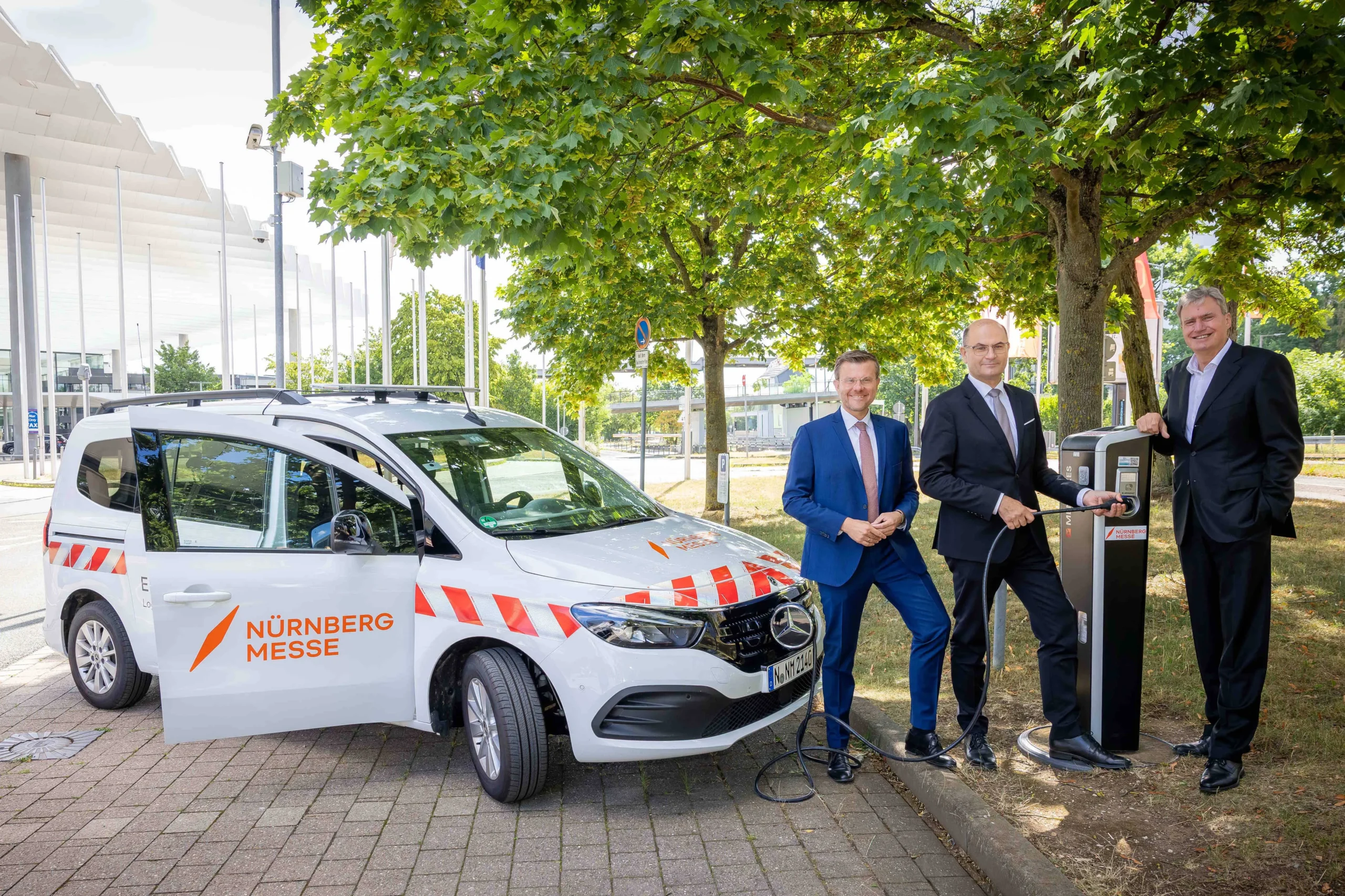
Green light for electric cars at Nuremberg Exhibition Centre
Latest Issue
 EW Issue 3 – June/July 2026