As conversations around AI continue to dominate the exhibitions sector, much of the focus remains on attendee-facing innovation: AI-powered matchmaking, personalised agendas and smarter registration journeys. Yet behind the scenes, many operations teams rely on spreadsheets, flooded inboxes and fragmented systems to manage the complex mechanics of event delivery.
For an industry built on precision, coordination and experience, there’s a disconnect.
It’s not uncommon for large scale exhibitions with 800+ exhibitors to be managed manually by a small team responsible for everything from stand approvals and marketing assets to insurance and suppliers. Even tier-one event companies might only have a handful of ops people managing the pre-event process.
The result of this wave of admin is greater inefficiency, leading to stress and pressure on already stretched teams. And the impact extends beyond internal tensions. Operational friction doesn’t stay behind the scenes; it affects the experience for exhibitors too.
Why Operational Tech Has Fallen Behind
While front-end event tech has accelerated rapidly over the past decade, operational infrastructure has struggled to keep pace. As events grow in size and complexity, the limitations of keeping things manual are increasingly visible.
Whilst it’s easy to see why manual processes prevail, given they’re familiar, flexible and inexpensive, the time inefficiency is clear, and every missing document creates another follow-up, while every deadline generates another round of reminders.
At the same time, exhibitor expectations have evolved. Businesses investing significant budgets into events expect fast responses, clear comms and simple processes. Organisers, meanwhile, are juggling more stakeholders, whilst attempting to scale up events with leaner teams and tighter timelines.
Part of the challenge is that operational investment can be difficult to justify through traditional metrics. Decision-makers understand the value of tech that drives registrations, revenue or engagement, but operational systems aren’t necessarily seen as contributing to the bottom line.
Yet that view overlooks the fact that operational performance directly influences exhibitor experience.
When communication is fragmented, information is difficult to access or deadlines are missed, exhibitors feel frustrated. If processes are streamlined, support is proactive and information is centralised, exhibitors enjoy a better overall experience.
Operational Efficiency as a Competitive Advantage
This is where AI and modern ops platforms can play an effective role behind the scenes. From automating repetitive exhibitor queries and centralising comms to identifying bottlenecks, AI-enabled systems can reduce admin and improve service delivery.
The benefits extend beyond internal efficiency. Better systems reduce exhibitor friction, making it easier for information to be accessed, tasks completed and deadlines met. Communication becomes more consistent, response times improve and the overall experience feels more professional.
The commercial impact is significant. Exhibitors who onboard easily and encounter fewer frustrations are more likely to feel they’ve achieved value from the event, directly influencing satisfaction and protecting retention and future revenue.
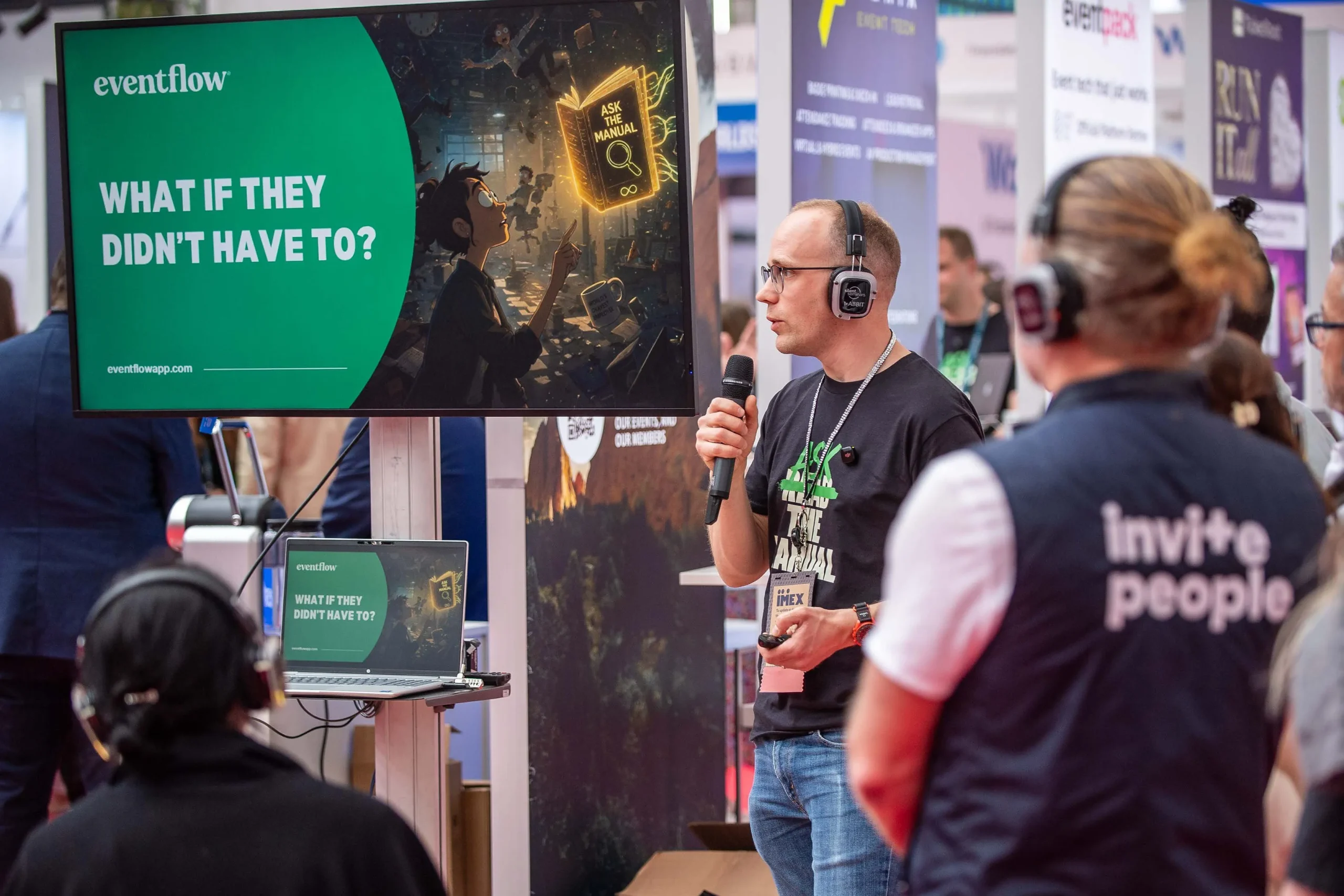
In practical terms, AI can already handle much of the repetitive workload. If an exhibitor wants to know whether they can build above four metres, an AI assistant can pull guidance from the event manual while escalating exceptions to the operations team.
The result is fewer repeated queries, less chasing, improved compliance and faster delivery. The key is that the underlying information has to be accurate, structured and well maintained, with clear guardrails to reduce the risk of hallucinations or incorrect responses.
As staff costs rise and exhibitions become more complex, operational tech offers a real competitive advantage. For organisers looking to improve exhibitor outcomes and drive long-term growth, the biggest opportunity might not be in the technology attendees see, but in the systems which power event ops behind the scenes.
Christian Skelton is CEO and Co-Founder of Eventflow, an exhibitor management platform designed for event operations teams.