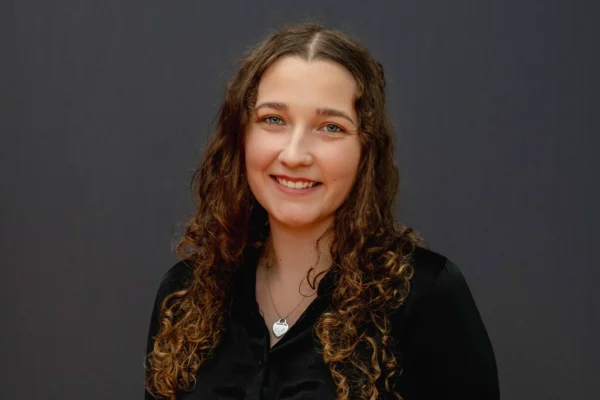

Over the course of the EN 30underThirty programme, Exhibition News will be speaking to members of the programme about their professional journey and the causes they’re championing to shape a more inclusive, forward-thinking industry.
This week we meet, Jessica Cooper, marketing director, UK at Beacon Events.
What made you want to get involved in the industry and why?
I have always been naturally curious and happiest when I’m learning and taking on new challenges. That is what drew me to events.
No two editions are the same. Geopolitics and industry trends influence what people want to discuss, while evolving client priorities and audience expectations mean you’re constantly reconsidering what people need rather than repeating what worked before.
What is the first career highlight that comes to mind?
That is a difficult question because so many come to mind, but one moment I am particularly proud of was creating a dedicated Women in Mining Lounge at Resourcing Tomorrow.
We wanted to create a space where women could build their networks and feel supported. It secured sponsorship in its first year and has continued to do so ever since.
It showed me that commercial success and inclusion do not need to compete. When people feel considered, the whole event becomes stronger.
What have you learned about yourself since entering the events world?
I have learned how much events bring out my creative side. An idea can become almost anything: an online engagement campaign or a brand activation people experience onsite. The boundaries between different forms of marketing are far less rigid than I expected.
If you could give your younger self one piece of advice when starting out in events, what would it be?
Create space. Events move quickly, and there will always be another deadline or decision competing for your attention. It is easy to become so focused on delivery that you do not leave enough time to step back.
Some of my best ideas and decisions have come when I have given myself room to pause. I would tell my younger self to protect that time, even during the busiest periods.
How important are schemes such as EN 30underThirty, and do you believe the industry does enough to support young professionals?
Recognition for younger professionals is incredibly important. Schemes such as EN 30underThirty give their voices and achievements a platform, but support needs to go beyond recognition.
Young professionals can bring a fresh perspective, question assumptions about what is possible or how things have always been done, and offer creative solutions that others may not see.
Give them genuine ownership, not just support, and watch what happens.
How do you see the events industry changing over the next five years, and how do you want to be part of that change?
As more of our lives move online and AI becomes part of how we work and communicate, I think in-person experiences will become more valuable. That means events will matter more, but simply bringing people into the same building will not be enough.
People will expect an experience they could not have had through a screen. Brand activations and the way the programme is designed will become much more important.
I see marketing as a core part of creating the event, not just the team responsible for filling the room. We know what makes people pay attention, what they are asking for and where they lose interest. I want to keep using that knowledge to help create events people genuinely want to make time for.
What is an issue or topic within the industry that you think is important and want to champion? Can you explain a bit about it?
Neurodiversity in the events industry. I want to show that there is no single way to be a strong event professional. Someone may communicate, process information or develop ideas differently and still be highly effective at their job.
I would like to see more open conversations about the value neurodivergent people bring and the environments that help them do their best work.
Why is this particular issue or topic important to you?
It is important to me because I am neurodivergent myself. That affects how I experience the world, but it also contributes to many of the qualities that have helped me in my career.
I want other neurodivergent people to see that they can build a successful career without feeling they have to change or conceal parts of themselves. Their differences can be part of what helps them flourish.
What do you plan to do to continue to champion the topic?
I will write and speak openly about my experiences and what working in the wonderful world of events can look like for someone like me.
I am starting with an Exhibition News column that I have been working on. I hope someone reads it and thinks, “That sounds like me,” while managers see how small, practical changes can help people perform at their best.
What can the industry itself do to better champion this topic?
I think it starts with normalising the subject. Neurodivergence is commonplace, so talking about it should feel normal too.