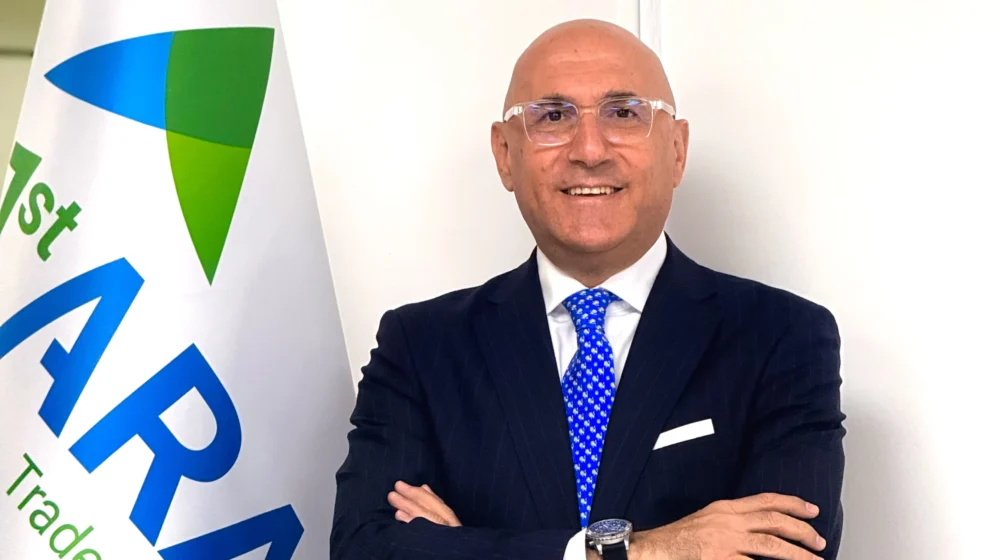
Bilal Al Barmawi, founder and CEO of Saudi Arabia based 1st Arabia Tradeshows & Conferences, updates EW on the local market.
How significantly has the regional conflict affected 1st Arabia’s calendar, and what operational changes have you had to make on the ground?
The regional situation has affected our calendar, a number of events originally planned for 2026 have moved to 2027, giving organisers, exhibitors and partners the best possible conditions to succeed. Operationally, this has meant closer coordination across stakeholders: sharper contingency planning, closer monitoring of regional and travel developments, and steady communication with venues, suppliers and international partners.
Our priority throughout has been to manage these changes responsibly while protecting the quality of each event. If anything, the current environment has reinforced how much agility and preparedness matter.
How are international organisers reacting – are you seeing client hesitation and lower attendance, or is demand for Riyadh holding firm despite the headlines?
Naturally, international organisers are asking more questions, particularly around travel, logistics and business continuity. That’s understandable given the headlines.
At the same time, interest in Riyadh and Saudi Arabia remains strong. International organisers are looking past the short-term noise toward the long-term opportunity the Saudi market represents, and the continued growth of its exhibitions and conferences sector.
Our role as a local partner is to give clients accurate, up-to-date information, because there’s often a real gap between the picture painted by regional headlines and the day-to-day business environment here in Riyadh.
Is reduced flight availability becoming a dealbreaker for international delegates, or are people simply adjusting their travel routes to get here?
Connectivity always matters for a major event, and schedule changes create real challenges for delegates and exhibitors alike. What we’re seeing mostly is a need for adaptability, participants adjusting routes, considering alternative connections, or booking earlier than usual. For us as organisers, that means starting travel communication earlier and keeping participants informed whenever circumstances shift.
Has securing event and travel insurance become a major obstacle for international participants, and what can governments or the industry do to resolve this?
Insurance has become a bigger consideration for international organisers, exhibitors and corporate participants. The challenge extends beyond Saudi Arabia, insurers often assess geopolitical risk across a wider region, which can add requirements or uncertainty for organisations planning to attend.
More dialogue between governments, insurers, organisers and industry bodies would help, particularly destination-specific risk assessments that reflect the actual operating environment rather than a broad regional label. Ultimately, confidence comes down to transparency and access to reliable information.
How effectively has Saudi Arabia’s business-events ecosystem – venues, suppliers, and government agencies – handled this disruption?
One of the real strengths of Saudi Arabia’s business-events sector is how well-coordinated the ecosystem has become, venues, suppliers and organisers all understand what international events require: reliability, responsiveness and clear communication.
That groundwork matters most during periods of uncertainty. The infrastructure and expertise built up in Saudi Arabia over recent years give us a strong foundation to keep an active calendar of exhibitions and conferences moving, even when circumstances shift.
What discussions are you having with bodies like the Saudi Tourism Authority and SECA (Saudi Exhibition & Convention Association) to reassure international markets and protect future event bids?
Maintaining international confidence takes co-operation across the whole ecosystem. Industry dialogue is increasingly focused on making sure organisers get clear, consistent information about Saudi Arabia, its infrastructure, connectivity and operating environment.
When organisers evaluate a destination, they’re not just weighing the venue or the commercial proposal. They’re looking at readiness, accessibility and how well the local ecosystem responds when the unexpected happens.
Continued collaboration between organisers, industry bodies and government entities is what strengthens Saudi Arabia’s long-term position as a destination for major business events.

How has this situation changed your approach to risk management, and could this ultimately strengthen the region’s event resilience?
Risk management now sits at the centre of event planning, not on the sidelines. Organisers have to think through multiple scenarios, travel, logistics, suppliers, communications, operational continuity and we’re putting more weight on early decision-making and having alternatives ready.
Disruption also teaches the industry something. It pushes organisers, venues and suppliers to sharpen their processes and become more adaptable. Longer term, that builds a stronger, more resilient industry, one ready not just for geopolitical shifts, but for logistical, economic, technological or environmental challenges too.
What reality on the ground do international organisers need to understand right now if they are considering bringing a major event to Riyadh over the next 12–24 months?
The key message: decisions about Riyadh should be based on the reality on the ground, current information and direct conversations with experienced local partners, not on perceptions shaped by regional headlines. Riyadh continues to grow as a major business-events destination, backed by ongoing investment in infrastructure and the wider ecosystem.
At the same time, responsible planning means acknowledging the regional environment, watching developments closely, and building flexibility into event strategy from the start. For organisers weighing Riyadh over the next 12 to 24 months: engage with local partners early.
Ask the hard questions, understand the operating environment, build contingency plans, and decide based on current, destination-specific facts, not headlines. Saudi Arabia’s business-events industry has come a long way. The next chapter isn’t just about growth, it’s about proving resilience, professionalism, and the ability to deliver world-class events in an increasingly complex global environment.