
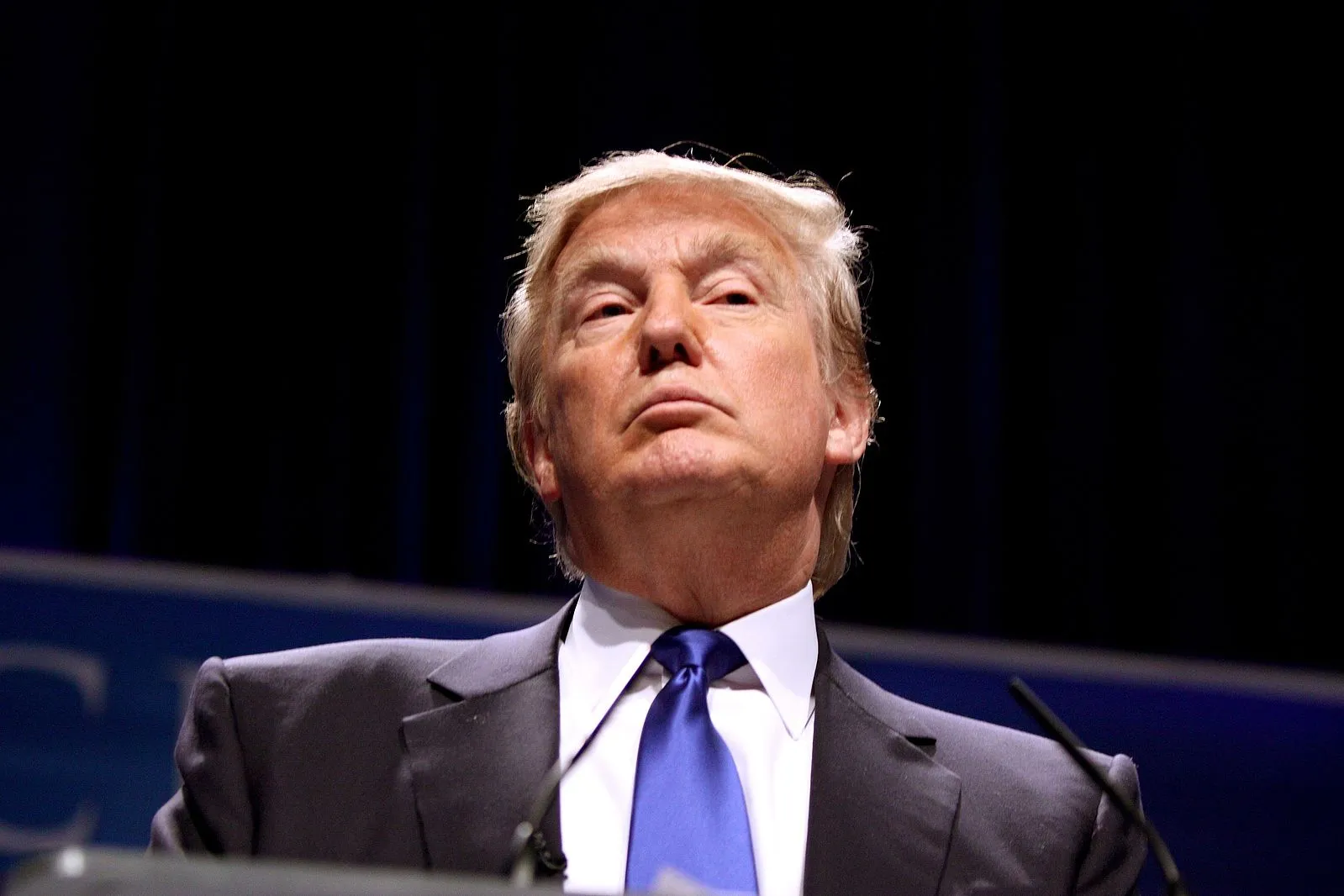
On 2 April, President Donald Trump announced sweeping tariffs on imports to the United States, including a 10% baseline tariff on all foreign goods.
Higher rates have been set for specific countries, including an added 34% tariff on Chinese imports – on top of a 10% tariff in both February and March. Starting 5 April, the average US tariff on goods from China will reach 74%.
The White House has defended the move as a long-term play to restore American industrial strength, saying it will “level the playing field,” reduce dependence on foreign supply chains, and boost domestic manufacturing.
So what will the impact be on US exhibitions? Many industries with global supply chains or heavy import reliance may take a hit – but others, more locally rooted, could see a new wave of domestic opportunity. Across the board, USA-based exhibitors are likely to see a boost as their foreign competitors are forced to hike prices.
Which industries will be hit?
American exhibitions are deeply tied to international trade. Shows like CES, MAGIC, and IMTS attract thousands of overseas exhibitors and buyers. Which industries are likely to be negatively affected?
1. Manufacturing & machinery
Import sources and tariffs: Major imports come from China (74% tariff) and Japan (24% tariff).
Key shows affected:
-
- IMTS (International Manufacturing Technology Show, Chicago)
- FABTECH (rotates between Las Vegas, Chicago, and Atlanta)
2. Consumer electronics & technology
Import sources and tariffs: Significant imports from China (74% tariff) and South Korea (25% tariff).
Key shows affected:
-
- CES (Consumer Electronics Show, Las Vegas)
- InfoComm (Orlando/Las Vegas)
3. Fashion & apparel
Import sources and tariffs: Predominantly sourced from China (74% tariff), Vietnam (46% tariff), and Bangladesh (37% tariff).
Key shows affected:
-
- MAGIC (Las Vegas)
- COTERIE (New York)
4. Home goods & appliances
Import sources and tariffs: Major suppliers include China (74% tariff) and the European Union (20% tariff).
Key shows affected:
-
- The Inspired Home Show (Chicago)
- High Point Market (North Carolina)
5. Automotive & auto parts
Import sources and tariffs: Key imports from Japan (24% tariff), Germany (20% tariff), and South Korea (25% tariff).
Key shows affected:
-
- SEMA Show (Las Vegas)
- AAPEX (Automotive Aftermarket Products Expo, Las Vegas)
6. Medical devices & healthcare
Import sources and tariffs: Significant imports from Germany (20% tariff) and China (74% tariff).
Key shows affected:
-
- MD&M West (Medical Design & Manufacturing, Anaheim)
- FIME (Florida International Medical Expo, Miami)
7. Construction & building materials
Import sources and tariffs: Suppliers include Canada (exempt from new tariffs) and China (74% tariff).
Key shows affected:
-
- World of Concrete (Las Vegas)
- The International Builders’ Show (Las Vegas)
8. Furniture & interiors
Import sources and tariffs: Primarily imported from China (74% tariff) and Vietnam (46% tariff).
Key shows affected:
-
- NeoCon (Chicago)
- High Point Market (North Carolina)
Which industries will benefit?
For these industries, the tariff shift could favour US-based producers — potentially leading to more domestic exhibitors, new buyers, and increased local investment.
1. Agriculture & food production
Benefit: Likely to benefit from “Buy American” sentiment and reduced price competition from imports.
Key shows affected:
- Natural Products Expo (California)
- PMA Fresh Summit (California)
2. Craft & artisanal goods
Benefit: US-made homewares, decor and textiles may gain visibility as global competitors face higher import costs.
Key shows affected:
- NY NOW (New York)
- American Handcrafted (Philadelphia)
3. Industrial tools & equipment
Benefit: With tariffs on machine components and raw materials, domestic producers offering turnkey solutions may see more demand.
Key shows affected:
- MODEX (Atlanta)
- National Hardware Show (Las Vegas)
4. Packaging & logistics
Benefit: Supply chain reshuffling may boost domestic warehousing, freight, and last-mile delivery solutions.
Key shows affected:
- PACK EXPO (Chicago)
- Home Delivery World (Philadelphia)
In short: higher tariffs mean higher costs – and for US trade shows reliant on global exhibitors, that could translate to fewer booths, tighter margins and major disruption across key industries.