Women make up around 70% of the global events workforce but their stories, leadership, and influence are often underrepresented. The 70%is a weekly series celebrating the women shaping the events industry. From rising stars to seasoned leaders, each profile shines a light on the career journeys, challenges, and perspectives of women working across all corners of the sector.
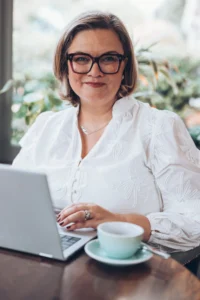
This week we spotlight Kerry Parkin, founder & CEO, The Remarkables.
Erica Hawkins Photography
How many years have you been in the PR industry?
26 incredible years now, and counting! The journey began as a graduate trainee at Weber Shandwick, one of the world’s largest PR agencies, following several years of running events throughout college and university. A careers counsellor, armed with an enormous directory, searched for adjacent industries to events, and landed on PR. And just like that, a path revealed itself. Events have always been a natural part of both professional life and personal passion, driven by the energy, the tight deadlines, and the boundless creativity they demand. From relaunching the iconic Nokia 3310 at an over-capacity venue in Barcelona during MWC, to racing across continents for a Virgin stunt in the early 2000s, events have consistently played a pivotal role in shaping both strategy and buzz.
How do you balance professional growth with personal commitments, and do you think the industry is evolving in terms of work-life balance?
I’ve always been a big believer that we make our own balance and decisions. I had my eldest at 30, my youngest at 40, now I am in the sandwich generation – caring upwards and downwards. I am currently writing a book, I volunteer for a suicide prevention charity, I mentor, work out, am a mum, daughter, wife, friend. I love to travel and also sleep when I can. I have to make choices every day about where I put my time; you have to be really conscious about it – no one will give you permission to make balance.
How do you see the events industry evolving in terms of diversity, equity, and inclusion?
There are real changes in client expectations in this area – you just can’t rock up with a team in your image. Diverse opinions, backgrounds, experiences and views, not to mention socio demographics and gender/ race/ orientation create more inclusive experiences for those we serve. It’s in our best interests to be as diverse as possible. Frankly, it wasn’t until a wonderful member of my team, client side, pointed out that an event we had produced would be entirely unsuitable for neurodiverse attendees.
What advice would you give to young women looking to enter and succeed in the events industry?
Have a voice as soon as possible; I waited far too long for permission to speak. All your ideas, thoughts, opinions and insights are as valuable as anyone else’s, and you have to consistently remember and internalise that. Sit at the table, pull up the chair, prepare and have a voice.
How do you handle setbacks and failures?
Badly (ha!). In all seriousness, it’s taken a long time to try and overcome setbacks in a more timely manner. Now I’m mainly concerned with how my team takes set backs, and how I can help them get back on track quickly. It’s a fine balance – mourning what could have been but then moving back to positive and action focussed territories. It’s something I still need to work on.
What changes do you think are still needed to create more opportunities for women in leadership?
There are three fundamentals which I believe are required for real intrinsic change:
More allyship for women in your team. I love Lee Chambers – he does a huge amount for women simply by helping men understand how best to show up.
Implementing more thoughtful policies that can help women grow and develop in the middle stages of their career – such as bereavement leave, miscarriage bereavement leave, parental (both male and female) leave, personal leave.
Investment in progression and stretch opportunities, actual personal development plans, training and career planning. But women also need to step up and take the opportunity as well – imposter syndrome is still very real. Creating women’s networks and allyships across organisations are proven to help women grow and progress faster and higher.