
Women make up around 70% of the global events workforce but their stories, leadership, and influence are often underrepresented. The 70% is a weekly series celebrating the women shaping the events industry. From rising stars to seasoned leaders, each profile shines a light on the career journeys, challenges, and perspectives of women working across all corners of the sector.
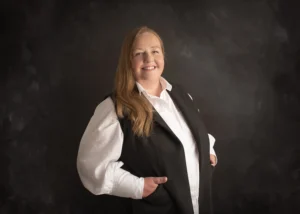
This week we speak to Julie Vincent, head of Meet Blackpool.
How many years have you been in the events industry?
I’ve been working in the events industry for 36 years now, and I think the reason I’ve been able to do it for so long is because it’s genuinely what I love to do. I’ve also been living in Blackpool for many years now, and it’s been so rewarding to play an active role in growing the local events industry and watch it come into its own.
How do you balance professional growth with personal commitments, and do you think the industry is evolving in terms of work-life balance?
Balancing professional growth with personal commitments can be a complex challenge for anyone, but women are still unfortunately disproportionately affected by this juggling act. Pouring time and energy into growing your skills, knowledge, and competencies in any area of your life requires significant time and commitment, which can take time away from your personal life.
For me, careful planning and time management have both been key to avoiding burnout. I’ve found that setting firm boundaries between work and personal life helps prevent the lines from blurring and ensures that both areas receive the attention they deserve. This definitely gets easier with practice; once you understand yourself and become aware of your strengths and weaknesses – it becomes second nature to communicate preferred ways of working and limitations with those around you.
Trusting your team and delegating responsibilities is absolutely essential to thriving at work and in life. A cohesive team can share workloads and provide support, without that – it becomes near impossible to juggle both professional and personal commitments. Never underestimate the value of regular communication with your team: it’s so important they are aware of your goals and challenges, and vice versa.
Achieving balance can be especially challenging in the MICE and hospitality industry because of the way events naturally bleed into after-work hours. Operational teams in particular must deal with the – often 24/7 – day-to-day service delivery and guest experience.
How do you see the events industry evolving in terms of diversity, equity, and inclusion?
The events industry is renowned for its ability to cope with and adapt to change – and it’s clear that we’ve already come a long way in terms of integrating DEI into our event delivery. From ensuring diverse speaker line-ups and more accessible venue access, to offering hybrid event formats, DEI are more and more being considered within the event planning process. With companies wanting to prioritise DEI in even more meaningful ways, however, I have no doubt that the events industry will continue to evolve in a way that embeds DE&I values into the DNA of events from the inception.
What advice would you give to young women looking to enter and succeed in the events industry?
Entering the workforce can be both exciting and daunting. My advice is to be open to change because the industry is constantly evolving. Staying flexible allows you to adapt to new situations and proactively seize new opportunities to enhance your skills and knowledge.
Circling back on work-life balance, I believe success comes from setting clear boundaries between your work and personal life, so that you’re always looking after yourself. Try to ensure that you dedicate time to recharge and engage in personal interests outside of work, not only for your own wellbeing but also as a way of enhancing your productivity and overall performance. You’ll learn, as I have, that personal and professional growth are interconnected, and you need to invest in both to build a fulfilling career.
Another key piece of advice that has served me well: focus on your own journey. Comparing yourself to others will only lead to self-doubt and frustration. Remember that everyone’s career path is unique. Finally, invest time into building and reinforcing a positive mindset, and make an effort to celebrate and acknowledge every milestone in your career journey, no matter how small.
How do you handle setbacks and failures?
In my opinion, navigating setbacks and failures will be one of the most challenging parts of your career by far. It’s natural to take these instances personally, but changing your perspective can really help. Easier said than done, but I always try to view setbacks not as personal failures but consider them as valuable learning experiences. Each setback presents a chance to analyse what went wrong and how I can improve for the future. I try to recognise that everyone makes mistakes and try not to dwell on them, and instead, I acknowledge and learn from them.
What changes do you think are still needed to create more opportunities for women in leadership?
Representation is essential. Aspiring women need to see individuals who look like them succeeding. Having respected women in leadership positions inspires the next generation of female leaders. Over the years, too many talented women have left their careers due to issues around childcare, lack of flexible working hours, and insufficient access to competitive salaries – and companies have lost out on all this amazing talent.
We’ve seen some improvements in these areas, of course – but so much more must be done to standardise these efforts across all sectors, in order to have a really meaningful impact on gender equality across all spectrums of society.
One area where I’ve seen positive change has been supporting women with menopause in the workplace. It’s been great to see a growing dialogue there, with employers increasingly acknowledging a critical aspect of women’s health and wellbeing that has been historically overlooked. Continuing to create a supportive environment where women can discuss these issues openly will have a positive impact on morale and retention.
In my experience, the presence of women in leadership is not just a matter of equality; it is a strategic advantage for businesses. By fostering a culture of flexibility, understanding, and inclusivity, we can ensure that we retain talented women in our industry and encourage new talent to join. When we value and support this diverse leadership, we ultimately enhance our business because they benefit from different perspectives that drive innovation and success. Embracing these changes ensures that we create a workplace where everyone can thrive.