
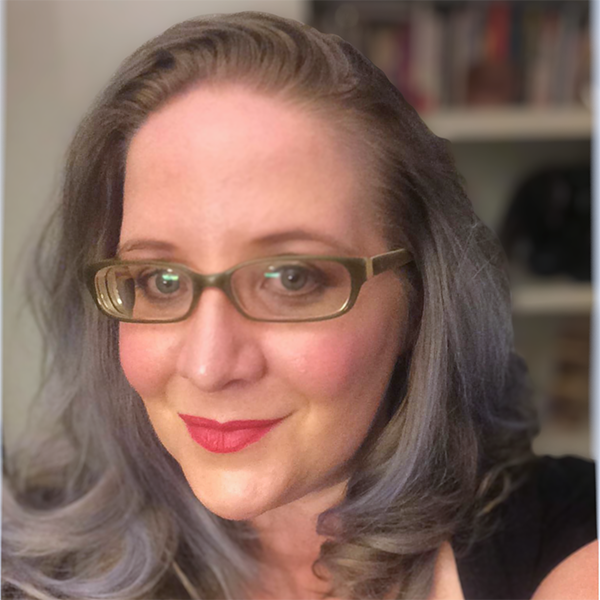
EN speaks to Faye Dawson, founder of the Community Massage Project, about how her pay-it-forward initiative is transforming event wellbeing while supporting local charities through free wellness services.
At a time when wellbeing is no longer just a buzzword in the events industry, one initiative is setting a new standard for incorporating self-care into the event experience.
The Community Massage Project offers event attendees a chance to unwind with a 10-minute chair massage on a unique pay-what-you-feel basis, with proceeds going towards providing free wellbeing services to local charities. Behind this concept is a personal story of burnout, recovery and a commitment to “paying it forward.”
Founder Faye Dawson explains, “Community Massage Project attends exhibitions, events, and festivals, asking visitors to enjoy a 10-minute chair massage, then pay what they feel. This supports us to pay it forward with free wellbeing services for local charities.”
In addition to event services, its sister company, Take 10 Agency, offers corporate wellbeing packages, where one out of every ten hours is donated to charity.
From burnout to balance
The idea for the Community Massage Project grew out of Dawson’s own experience as an events manager. “I was an events manager for a few years until I suffered from stress and burnout,” she recalls. “Seeking solutions to manage my own mental health, I gained huge benefit from massage, so I retrained as a massage therapist.”
Having witnessed the pressures of long hours and tight deadlines in the events industry, she saw a gap where wellbeing could make a difference. “I knew I wanted to fuse wellbeing with events, so those within the industry had effective ways to manage stress levels and exhaustion,” she explains.
The project’s business model is also rooted in Dawson’s personal values. Inspired by her mother, who balanced the challenges of single parenthood with community service, Dawson says, “Paying it forward is very much entrenched in me.” This has led her to focus the project’s charitable efforts on those most in need of human touch, particularly caregivers at children’s hospices, where the stresses of caring for terminally ill children are often overwhelming.
A rising demand for wellbeing
As wellbeing gains traction across the events industry, demand for the Community Massage Project has grown. “Wellbeing at events is no longer seen as a passing fad,” Dawson explains. “Organisers are now integrating designated wellbeing zones at their events, where visitors can recharge and refocus.”
The pandemic, she adds, heightened the industry’s awareness of the importance of human connection and touch, further boosting demand for services like the Community Massage Project. “Our services are more popular than ever and are now seen as an integral component of an event wellbeing strategy rather than just an optional add-on.”
Evolving trends in event wellbeing
Dawson has observed several wellbeing trends shaping the future of events. “The most exciting to me is the prioritisation of wellbeing through sustainable initiatives like food waste reduction and diversity and inclusion,” she says.
SensoryCalm Quiet Spaces, which focus on neuroinclusion, are becoming essential for attendees who need a break from the sensory overload of lights, noise, and crowds. Venues like ExCeL London are also taking steps towards sustainability, such as recycling vegetable waste in on-site wormeries, while partnerships with charities like City Harvest are helping reduce food waste.
Looking ahead, Dawson believes that the focus on wellbeing will only grow stronger. “More companies are realising that wellbeing, sustainability, and corporate responsibility are integral to the success and longevity of their events,” she says.
The Community Massage Project reflects this change by offering a scenario where everyone benefits: attendees leave events feeling refreshed, local charities receive free services, and organisers gain positive attention for their events. Dawson highlights collaborations with Richard House Children’s Hospice near ExCeL and Oscar Birmingham, supporting those with sickle cell disease near the NEC, as examples of how this approach is supporting both the events sector and local communities.
Overcoming the challenges
Running a business that attends up to 60 events a year comes with its own set of challenges. “As a sole director, I fell into the trap of overworking,” Dawson admits. “I was on the verge of burnout again.”
To avoid a repeat of past mistakes, she began outsourcing tasks like data entry and sales to freelancers and set boundaries around the opportunities she accepted. Simple strategies, like taking short walks to recalibrate during the day, helped her regain balance and perspective.
Perhaps the most important lesson came from the people she helps. “Visiting hospices reminds me to focus on what really matters,” she reflects. “They make every moment count, and that inspires me to do the same.”
The Community Massage Project’s pay-it-forward model has had a tangible impact on the lives of those it serves. “We’ve massaged survivors of domestic abuse, adults with terminal cancer and caregivers at children’s hospices,” she says. “For them, the massages provide comfort, reduce stress and offer a rare moment of respite.”
One particularly moving experience came from a mother at a children’s hospice, who broke down in tears during her massage. “She told me it felt like a haven, a rare moment to be looked after and feel human again,” Dawson recalls.
As the Community Massage Project continues to grow, Dawson remains focused on expanding its impact. “Our mission isn’t just to provide massage at events; it’s to create a ripple effect of positive change,” she says.
By promoting well-being among event participants and in local communities, the project is reshaping the concept of being a socially responsible business. As she puts it, “Our vision is a world where every event is a catalyst for wellness and community.”


