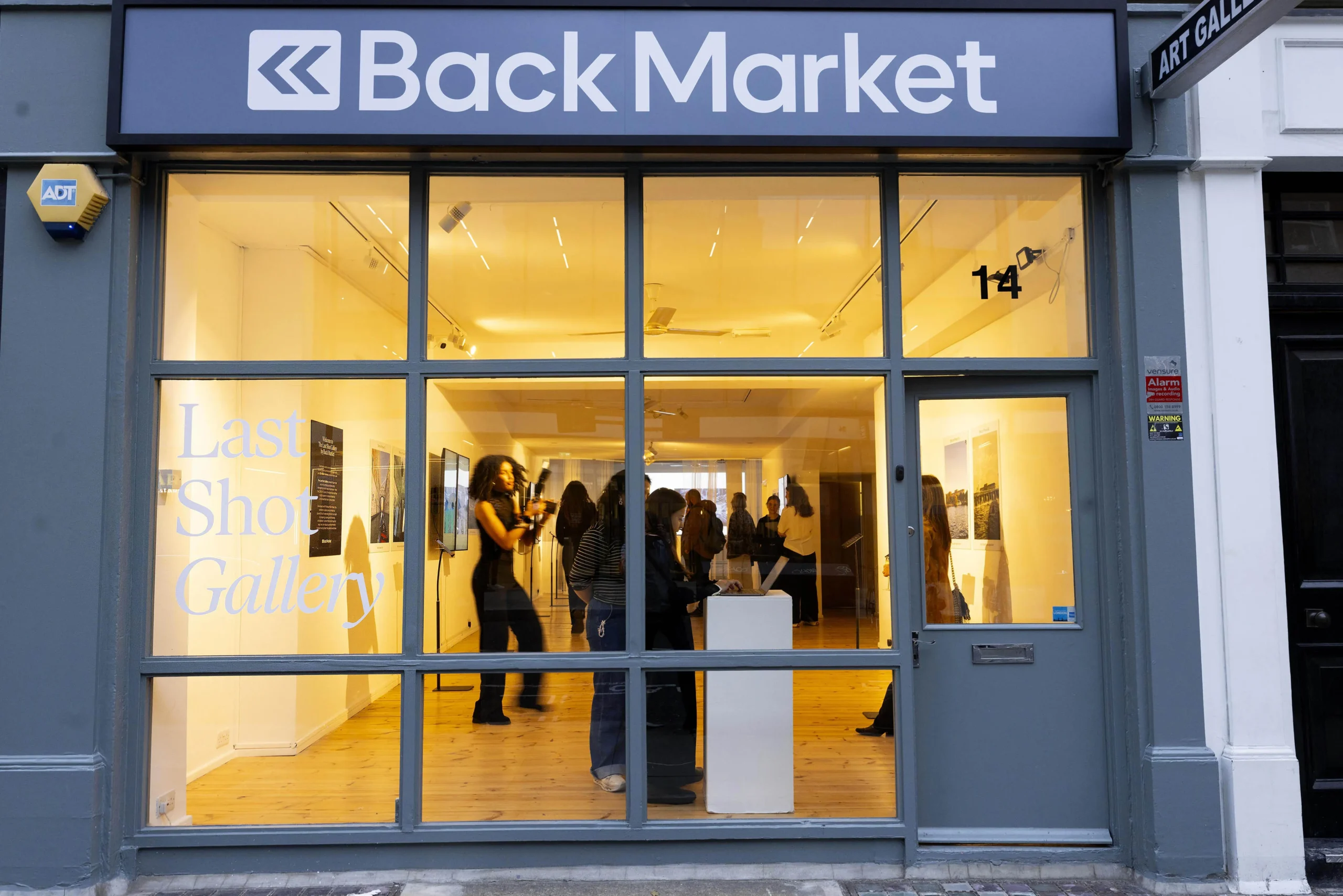
Climate change awareness is near-universal. Behavioural change remains rare. Luke Forshaw, head of brand at Back Market, gave an insight to The Last Shot Gallery, a two-day exhibition in Fitzrovia designed to challenge consumer attitudes towards electronic waste.
Bridging the gap
The Last Shot Gallery came from a desire to bridge the gap between awareness and action. We know that most people care about the planet, but the impact of fast tech can feel invisible, it sits behind our screens and our upgrades.
Our recent research revealed 89% of Brits say they’ve noticed visible signs of climate change in their lifetime, but over a third admit it hasn’t changed how they shop. That gap between what people see and how they act is exactly what inspired this project. We wanted to make the consequences of fast tech impossible to ignore – to turn data into emotion and transform something abstract and overwhelming into something tangible and human.
The result is a two-day immersive exhibition in Fitzrovia that uses hyperreal digital art to reimagine iconic landmarks such as the Cliffs of Dover, Iguazu Falls and others, as they might appear if current tech consumption patterns continue.
Fusing science with art
The idea really began as an experiment in how creativity can inspire change. We asked ourselves how we could take the numbers and statistics around fast tech, overconsumption and e-waste and bring them to life in a way that people could actually feel. That’s where the collaboration with emerging digital artists and Professor Mark Maslin came in fusing science with art to create a gallery that’s both grounded in real data and full of imagination.
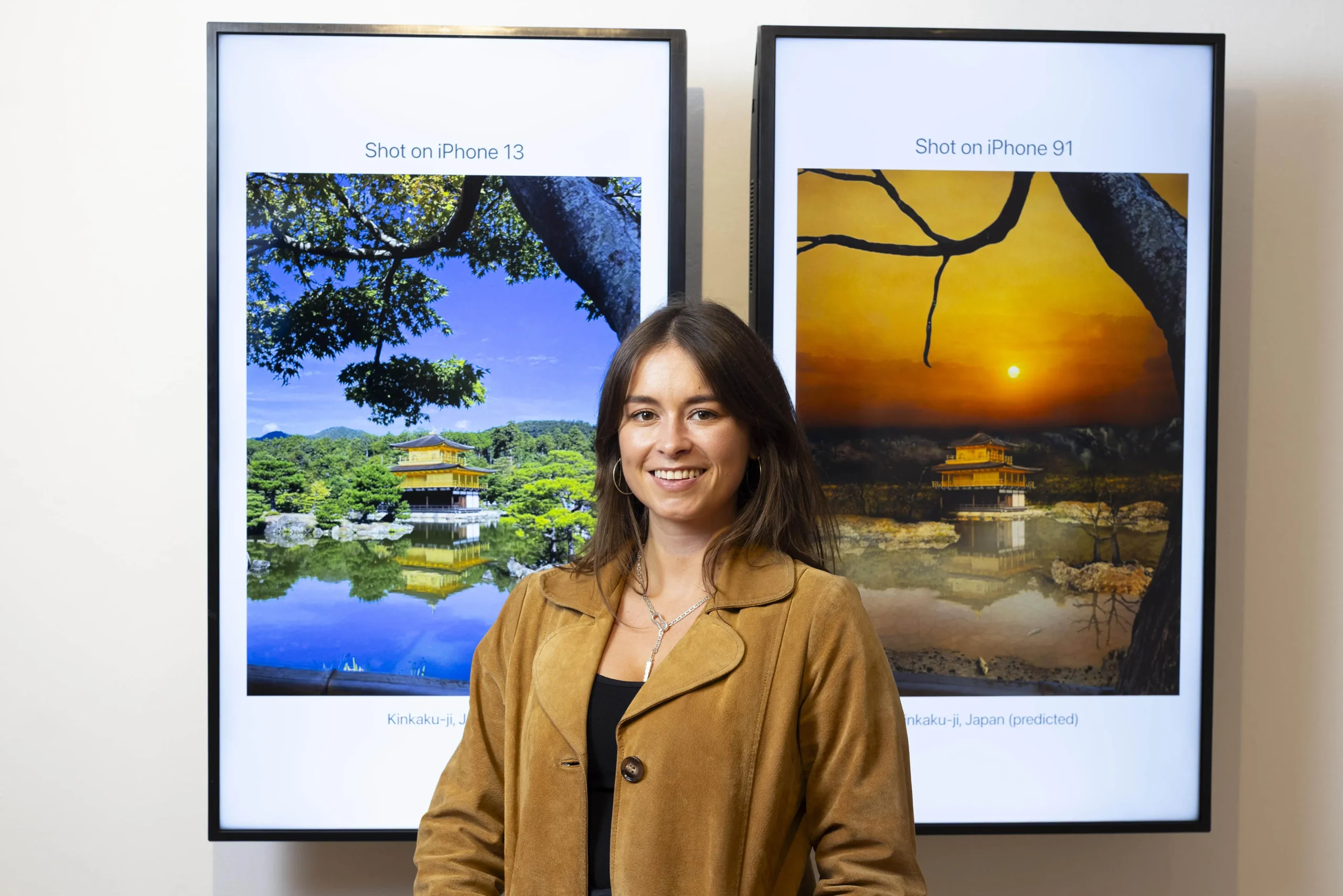
Back Market worked with Professor Mark Maslin of UCL’s Earth System Science department, who linked the artworks to environmental projections based on research data. Every piece is rooted in real environmental projections, but the result goes far beyond education.
It’s designed to make people stop, look, and feel. The Last Shot Gallery challenges us to imagine what’s at stake if our throwaway habits continue, but also what could change if we rethink our relationship with technology. It’s ultimately about sparking awareness in a way that feels real, immediate, and impossible to ignore.
A different approach
The activation fits Back Market’s broader pattern of purpose led experiential campaigns. Previous efforts include Life After Ad, which converted outdoor advertising materials into grow bags for Hackney City Farm, and The Refurbished Restaurant, a dining experience drawing parallels between food and electronic waste.
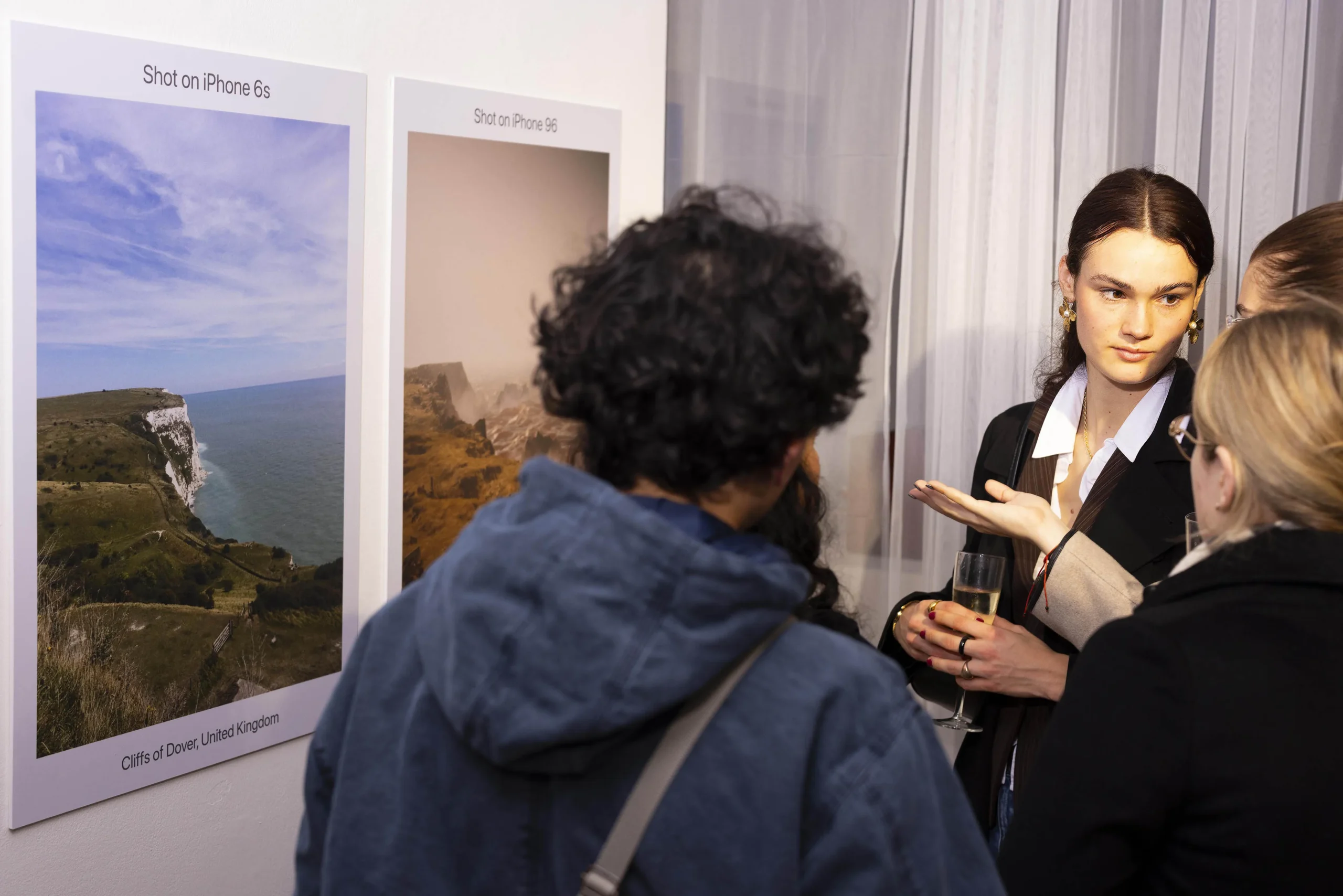
But The Last Shot Gallery takes a different approach. Rather than drawing parallels or repurposing materials, it creates a speculative future designed to provoke immediate emotional response.
The question remains whether hyperreal imagery can shift behaviour where data has failed. Back Market’s bet is that emotional resonance succeeds where rational persuasion stalls. The exhibition runs for two days, but its real test lies beyond closing time: whether attendees leave with altered intentions, not just Instagram content.