

Women make up around 70% of the global events workforce but their stories, leadership, and influence are often underrepresented. The 70% is a weekly series celebrating the women shaping the events industry. From rising stars to seasoned leaders, each profile shines a light on the career journeys, challenges, and perspectives of women working across all corners of the sector.
In this edition we speak to Jo Austin, sales director at Lime Venue Portfolio & Levy UK and C&E sustainability lead cCompass Group UK&I.
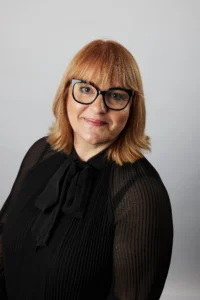
Time in events: 25 years
How do you balance professional growth with personal commitments, and do you think the industry is evolving in terms of work-life balance?
I’ve learned to compartmentalise. Have I always put my kids before work? No. Have I always put work before my kids? Also no. I think, overall, I’ve found a reasonable balance, though there have been times when it’s felt tough.
Right now, I feel in a good place, but that’s largely because my circumstances have changed – my children have grown up and left home. I get how real that juggle is and that understanding helps me be a better manager, and, honestly, a better person.
The industry is evolving in terms of work-life balance, and Covid played a huge part in that. It allowed us to reset and embrace working from home and new flexible ways of working.
Our industry is incredibly demanding. There are times when it’s full-on, and work-life balance feels almost impossible. But there are also quieter periods when you can catch your breath. The pressures are real but we also have to recognise that it’s a great industry, and the ebb and flow is simply part of it.
How do you see the events industry evolving in terms of diversity, equity, and inclusion? Without a shadow of a doubt, the industry is evolving in a really positive way and I feel privileged to work for an organisation that values diversity, equity, and inclusion so deeply.
One of the biggest shifts I’ve seen is that we’re all much more aware, and importantly, we’re not afraid to talk about it anymore. Real inclusion comes from having open, confident conversations. Avoiding the topic isn’t inclusion – engaging with it is.
At Lime Venue Portfolio, we’ve also taken a proactive role in pushing the conversation forward – especially around neurodiversity. We’re not claiming to be experts, but we’re good at starting those all-important conversations, driving education, and connecting people with the right experts. We launched a neurodiversity toolkit, and the response was phenomenal. It proved that people are ready for change – they just need the confidence and tools to take that first step.
So yes, the industry is evolving. But do we still have a long way to go? Absolutely. The good news is that we’re moving in the right direction.
What advice would you give to young women looking to enter and succeed in the events industry?
This is such an important question and a personal one for me. I’ve never seen my gender as something that’s held me back at work.
I’ve spent most of my career in sales roles where performance is very black and white: you’re only ever as good as the results you deliver. I’ve never felt sidelined because I’m a woman.
That said, I absolutely recognise the realities women face. The juggle is real – whether it’s raising children, caring for parents, or simply managing the many roles we often take on.
So, what advice would I give? Be you – be the best version of yourself every single day. Don’t worry about the competition; focus on growing, improving, and showing up with honesty and integrity. Play to your strengths and trust in your ability to succeed on your own terms.
Not every opportunity will go your way – but others will. My own career has evolved in ways I never expected; most roles I’ve had came from being in the right place, delivering consistently, and staying true to who I am.
How do you handle setbacks and failures?
You dig deep, dust yourself off, and go again. That’s always been my approach. It’s not to say it’s easy – it isn’t. There have been moments when I’ve felt upset or frustrated, but I’ve learned to use those moments as a chance to reflect: Why didn’t that go the way I’d hoped? What could I do differently next time?
I love a challenge, and I admire it in others too. When I’ve interviewed people for roles, I’ve always respected those who come back afterward to ask for feedback. That kind of mindset – wanting to learn and grow from the experience – that’s powerful.
For me, resilience is everything. It is one of the best things you can learn, and it can be taught. It’s about behaviour and self-awareness.
One of the biggest lessons? Pause before you react. I’ve trained myself to hold that first emotional response, take a breath, and ask, what’s a better way to handle this.
That pause changes everything. It makes you more constructive, more empathetic, and ultimately more effective – whether you’re resolving conflict, managing people, or dealing with a teenager. And yes, I’ve learned the hard way: you can’t unsay something or unwrite it, so think before you hit send.
One of my favourite tips? Always start a fresh email – don’t reply in the heat of the moment. Just that little space can give you the clarity you need to respond, not react.
What changes do you think are still needed to create more opportunities for women in leadership?
I think one of the biggest shifts still needed is creating better accommodations for the many roles life expects of us – being mothers, grandmothers, daughters, partners, and caregivers. Those responsibilities don’t disappear as women move into leadership, and we need to recognise that flexibility and support help people thrive in both work and life.
But this isn’t just about women, it’s about people. Men are doing more now too, and in many homes, mine included, it’s truly a partnership. Throughout my career, my husband and I have shared the responsibilities – whether that was getting the kids to school or just knowing who likes what for dinner.
That teamwork at home has allowed me to focus on my career, and now he’s taken on more with our grandchildren. It’s that kind of shared approach that helps everyone succeed, and we need to see more of that thinking reflected in the workplace.
Hybrid working, and remote meetings, those have opened up possibilities, no doubt. But we also have to be mindful in events, because our industry is about bringing people together in person. Not everything can be done from home, and I often remind myself and my team to be sensitive in how we speak about flexibility. For example, saying “I’m at home tomorrow” might mean “thank goodness I’m not on the road,” but we’re mindful of how that’s perceived, especially in roles that require a physical presence.
Let’s make sure the right people get the right roles, not because of who they are, but because of what they can do.
