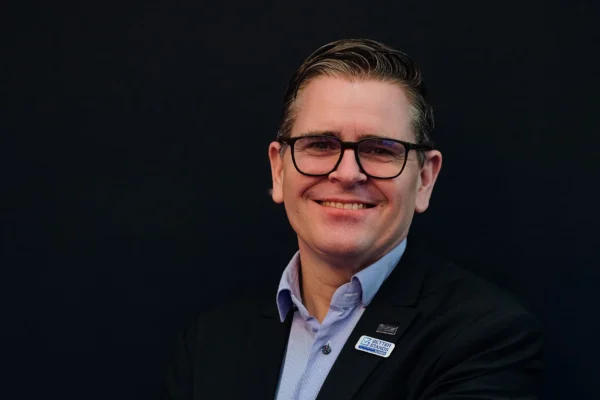

Dakota Murphy looks at how organisers can maximise their advertising and ensure that their event is well-attended through digital marketing strategies such as social media, influencer marketing, SEO and PPC.
Digital marketing is crucial for events promotion in the modern day. Where people’s attention is increasingly online, events must utilise these same online platforms and spaces to raise awareness, engage their audience, and ultimately get more people to attend.

An event may be extraordinary, but without the right marketing strategy, few people may end up experiencing it. Event organisers must establish an online presence, build hype, and drive action through social media, influencers, search rankings and paid advertising.
Employing a mix of social media marketing, influencer marketing, SEO, and PPC advertising, event managers can maximise attendance and increase customer engagement, ensuring their event is a crowd-pleaser. By optimising for the digital world we live in, events can go from empty venues to sold-out shows and everything in between. The key is developing an online marketing strategy targeted at the event’s specific audience.
Social media marketing
Social media marketing should form the cornerstone of any event’s digital marketing strategy. Platforms like Facebook, Instagram and Twitter allow event planners to build an audience, engage with attendees, and generate buzz about their event.
The first step is to establish online platform profiles for the event on the major platforms. By posting regularly, events can engage their followers and keep the event front of mind. Followers should be treated to behind-the-scenes updates, announcements, highlights of speakers or activities, and more.
“Social media marketing doesn’t start with graphics, posting, and schedules,” says Nolan Ether, writing for Webex Events. “Successful campaigns always start with strategy. Social media strategy involves market and customer research, which results in customer segments or personas that will become potential targets for your event promotions.”
Contests and giveaways are an excellent way to increase social engagement and spread word of the event. For example, events can run ticket giveaways, VIP experience contests, and competitions to meet key speakers or personalities. These interactive campaigns encourage people to like, comment on and share posts to enter, increasing the event’s visibility.
While organic social media is important, to reach new audiences and drive sales, paid social media advertising is often needed. Events can pay to promote their online channel posts, especially posts announcing when tickets go on sale or early bird pricing. By promoting to targeted groups of people, events can get their posts in front of those most likely to buy tickets.
It is critical for event organisers to track the performance of their social channel efforts. They should monitor metrics, such as post engagement responses (e.g. likes, comments, shares, etc), link clicks, contest entries, and traffic to the event website from social media. These numbers will reveal what types of content and online platform ads are most effective for that particular audience. Events can then double down on successful strategies.
Influencer marketing
Influencer marketing involves partnering with key influencers in your industry or local area to help promote your event. Influencers are individuals with an established social following who are viewed as trusted voices by their followers. By inviting influencers to attend your event, especially if you provide a VIP experience, you gain access to their followers and benefit from the influencer’s endorsement.
The first step is to identify relevant influencers with an engaged following. Next, reach out and invite them to be VIP guests at your event. Offer them free or discounted tickets, backstage access, or other unique opportunities in exchange for social media promotion. Be sure to make the experience special for them so they share about it authentically with their followers.
“Don’t just go by the number of followers someone has, as their reach may be a completely different audience to what you’re seeking,” says Matthew Webb, writing for Blerter. “You need to ensure the influencers you use align with your target audience and your event attendees.”
Ask influencers to spread word of the event on their digital channels through posts, photos, video and Stories. An endorsement from an influencer is very persuasive to their followers and can translate to increased interest and ticket sales for your event. Track website traffic and sales following influencer promotions to gauge their impact.
While short-term, the boost in visibility and ticket demand that influencer marketing provides can be significant. Their social clout means tens or even hundreds of thousands of potential attendees could learn about your event, all thanks to a single post. The key is finding influencers whose followers match well with your target audience and then giving the influencer an experience they genuinely want to share about. When executed properly, influencer collaborations are a potent way for events to expand their reach.
Search engine optimisation
For events, SEO means optimising pages like the event homepage, ticket page and venue/location page to rank for relevant search terms. The higher your rankings, the more visibility your event will get in search and the more traffic will flow to your website.
“There are several ways to optimise an event website for search,” says Justin Aldridge, Technical Director for events SEO specialists Artemis Marketing. “The first step is to determine which search terms you want to target based on location, date, topic or industry. These terms should be added to page titles, URLs, headings, and content. Next, speed up load times and ensure your website is mobile-friendly, as these are factors in Google’s ranking algorithm.”
Build quality backlinks by earning links and mentions from other websites and media in your industry. Submit your event to event calendars and industry publications and reach out to relevant blogs and media to ask for a link. The more authoritative backlinks you have, the higher your search rankings will go.
Monitor how your search optimisation and backlink building efforts are impacting rankings and traffic. Track the position of your target keywords and phrases over time to see if rankings are improving. Also analyse traffic from organic search to your site and specific event pages. Improving metrics over time means your SEO strategy is effective.
An effective digital marketing strategy targeted at an event’s specific audience is key to success. Events must meet their audiences where they are – on social media, following influencers and searching online. Through regular social posting, influencer collaborations, improved search rankings and paid promotion, events gain access to more potential attendees. They build anticipation and give people reasons to fear missing out on the experience.
While digital marketing requires ongoing effort, the rewards of increased brand awareness, website traffic, social buzz and ticket sales make it worth the investment. In a sea of events, it is the online presence built through social media, influencers and search that helps some rise to the top. Events that make the most of the marketing tactics and platforms available today will be the ones that thrive into the future.