Have you ever wondered who stood where you are standing now—100, 50, 20 years ago?
Who breathed the same air, walked the same floors, and experienced a completely different world?
Exhibition News takes a journey through time, exploring the UK’s most iconic exhibition venues. While they are now renowned event spaces, their past tells stories of transformation beyond our imagination.
The Crystal Palace, London
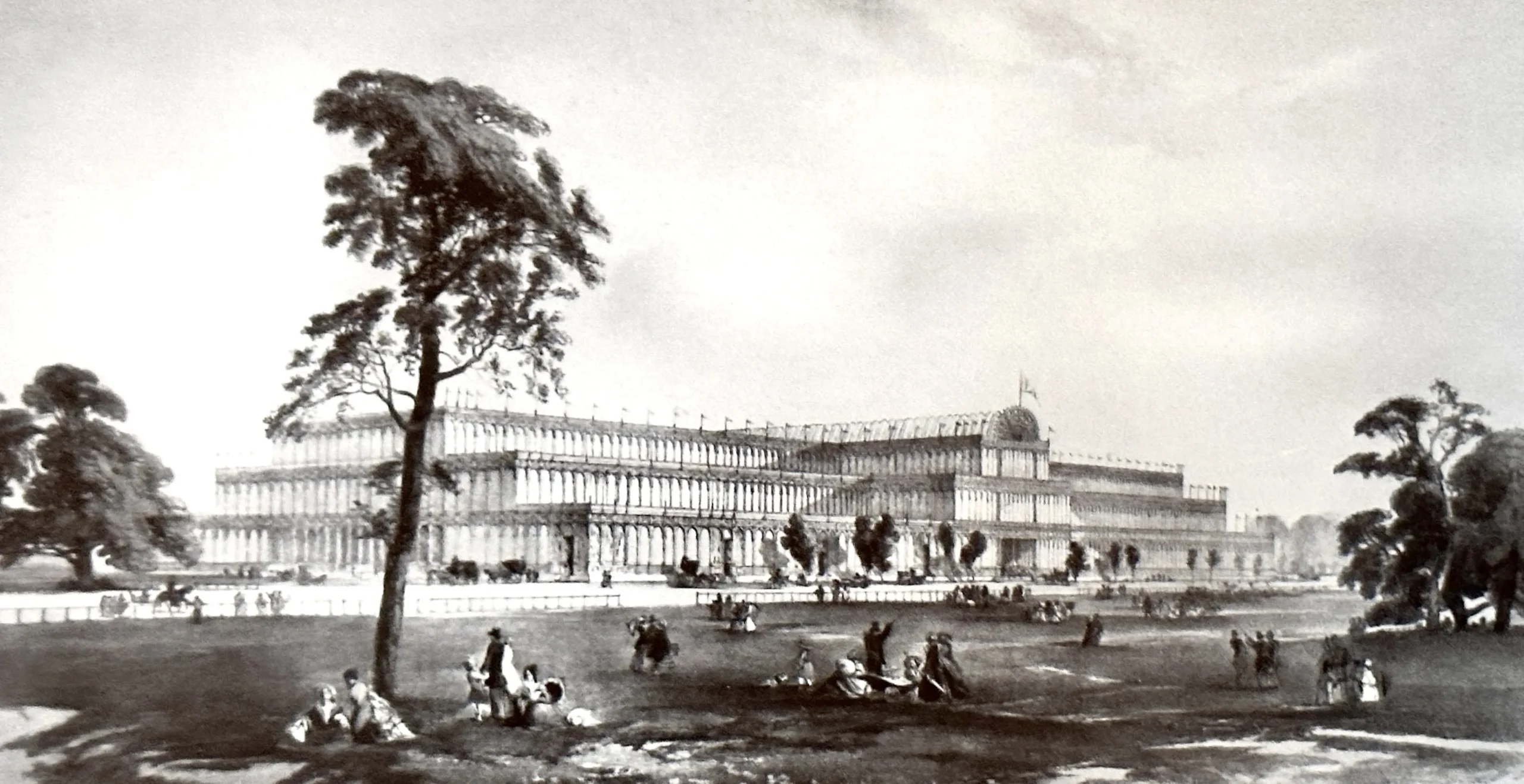
The Crystal Palace was a cast iron and plate glass structure, originally built in Hyde Park, London, to host the Great Exhibition of 1851. Designed by Joseph Paxton, it spanned 990,000 square feet and featured 293,000 glass panes, making it the largest glass-covered structure of its time. The Great Exhibition showcased over 14,000 exhibitors from around the world, displaying innovations from the Industrial Revolution.
After the event, the building was relocated to Sydenham Hill in South London, where it stood from 1854 until its destruction by fire in 1936. The surrounding area was later named Crystal Palace, becoming home to Crystal Palace Park and the Crystal Palace National Sports Centre. The site remains a historic landmark, with remnants like the Crystal Palace Dinosaurs, created in 1854, still visible today.
The venue attracted famous figures such as Charles Darwin, Karl Marx, Michael Faraday, and authors like Charles Dickens and Lewis Carroll. Beyond the Great Exhibition, Crystal Palace hosted events like the world’s first aeronautical exhibition in 1868 and the first-ever cat show in 1871. It was also the site of the world’s first bandy match, a sport that later became ice hockey, in 1875.
Olympia London
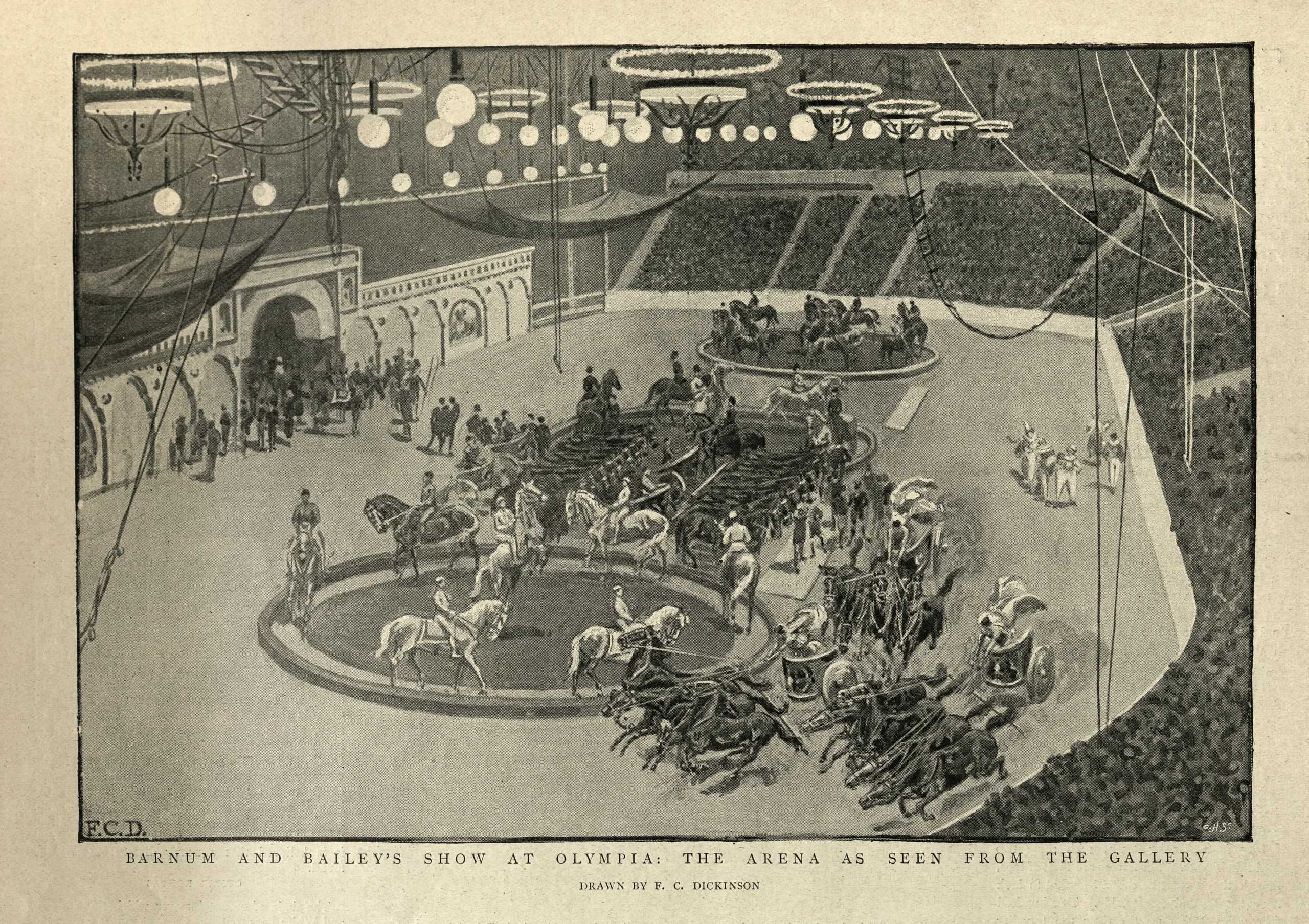
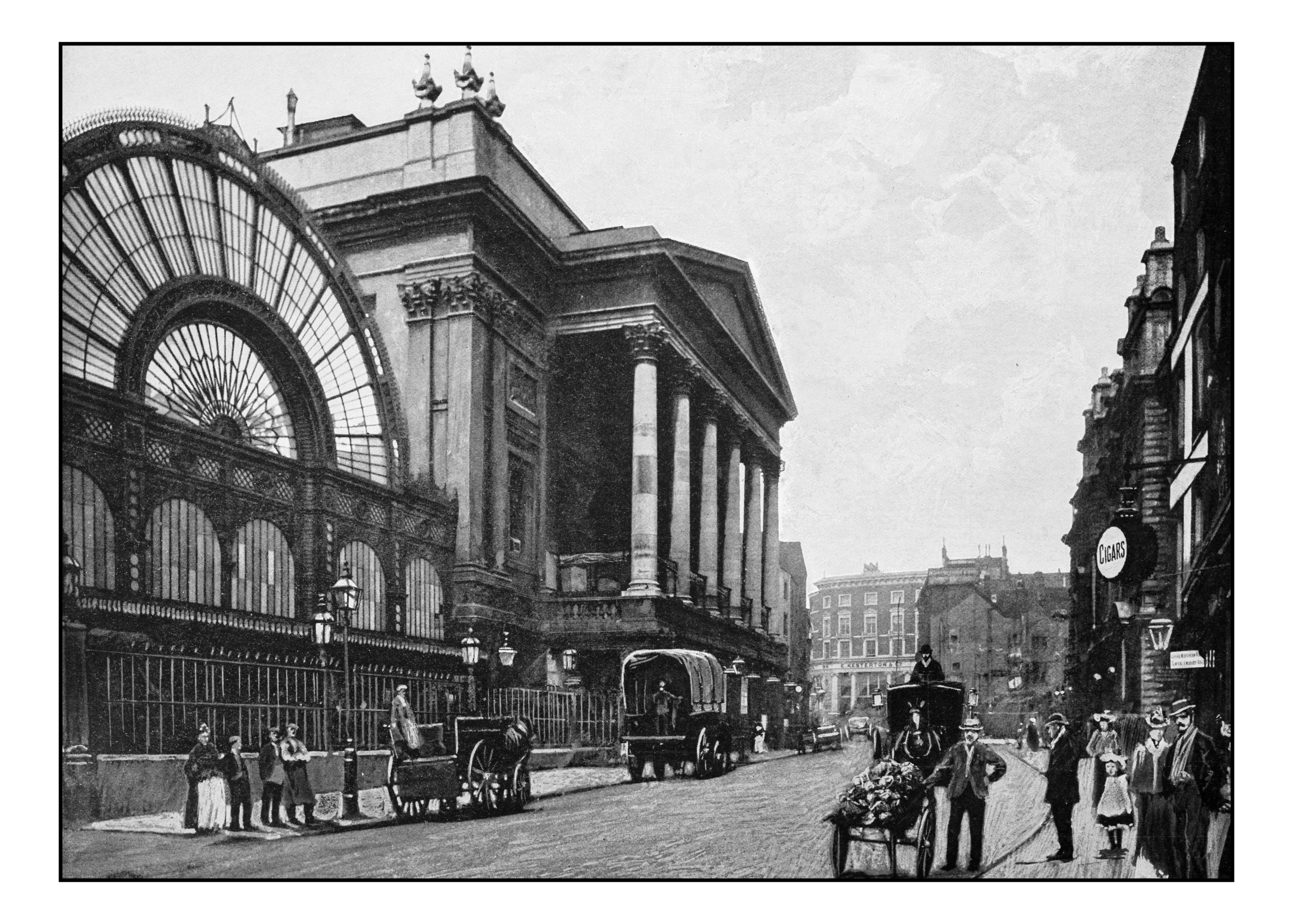
Now a major player in the UK exhibition industry, Olympia London is known for its distinctive arched roof and Victorian architecture. It has provided a backdrop for countless trade shows, exhibitions, and concerts, making it one of London’s most famous venues.
Olympia first opened its doors on December 26, 1886, with the inaugural event, the Paris Hippodrome, marking the beginning of its storied history. In 1888, it hosted the First Great Horse Show, which later evolved into the London International Horse Show.
Over the years, Olympia London has been the site of major UK exhibitions, including the Ideal Home Show (1908), the Cycle and Motorcycle Show (1919), and the British Electronic Computer Exhibition (1958).
The venue has undergone several transformations, including the construction of the National Hall (1923) and a £30 million redevelopment (2013) to modernise its event spaces. In 2017, a consortium led by Deutsche Finance and Yoo Capital acquired Olympia, aiming to transform it into a world-leading arts, events, and entertainment district.
Manchester Central Convention Complex
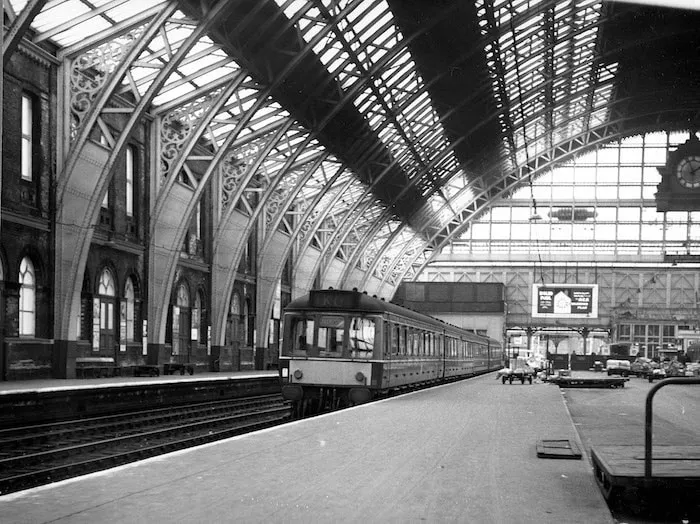
Originally Manchester Central Railway Station, this venue was repurposed into a convention complex in 1986. Its arched roof and central location have made it a premier UK exhibition venue, significantly contributing to Manchester’s cultural and economic landscape.
Opening in 1880, Central Station became one of the country’s busiest travel interchanges before closing in 1969 due to increased car use and changes in the rail network.
Since its transformation, Manchester Central has hosted business conferences, trade shows, and entertainment events. The venue played a significant role during the COVID-19 pandemic, when it was converted into an NHS Nightingale Hospital in 2020.
Excel London
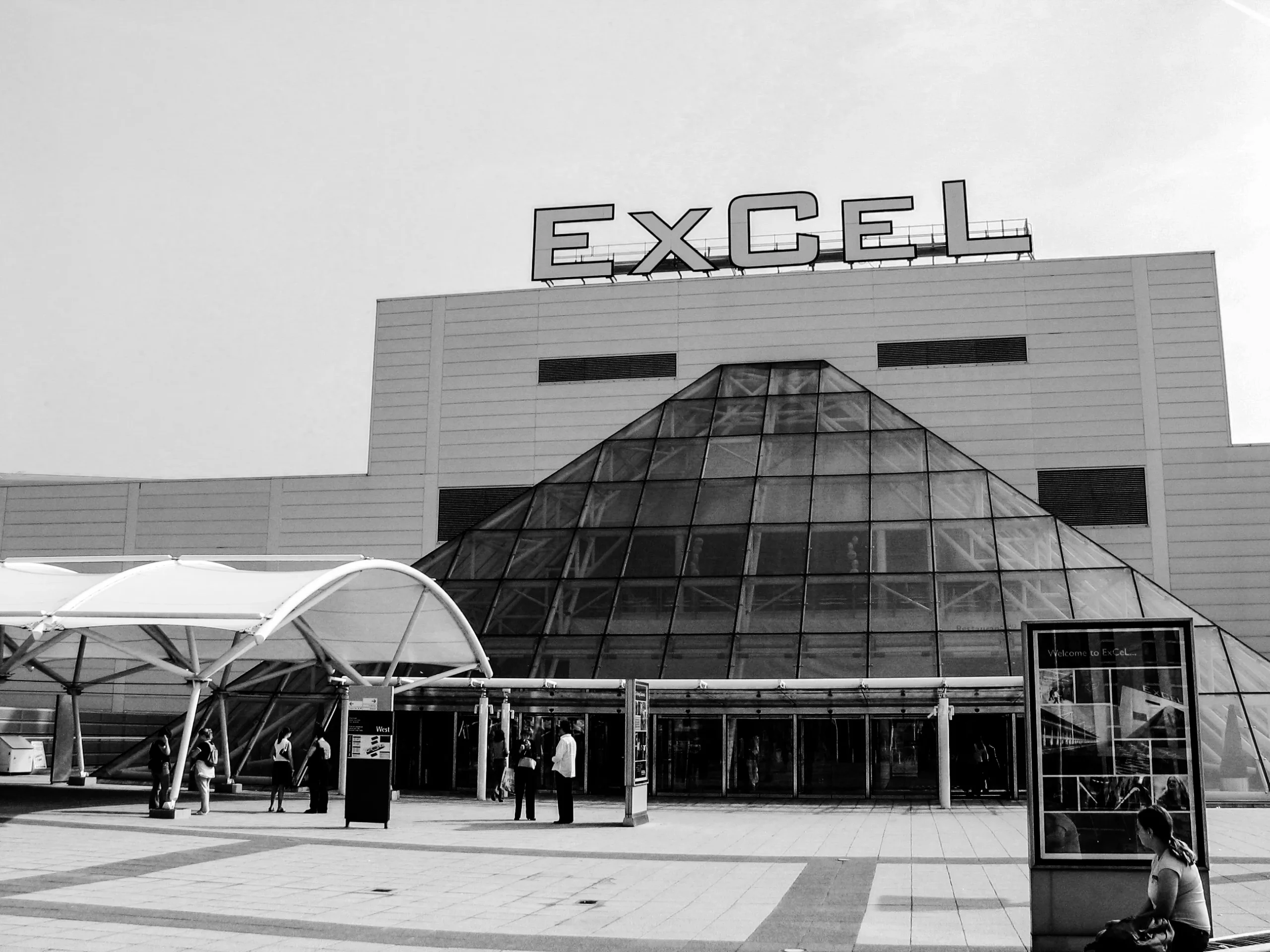
Today, Excel London is one of the most well-known venues for exhibitions in the UK. The venue opened in 2000 in the historic Royal Docks area and established itself as one of the UK’s leading exhibition and international convention centres.
The centre was designed by Moxley Architects and constructed by Sir Robert McAlpine, officially opening its doors to the public in November 2000. Shortly after its inauguration, Excel London hosted the London International Boat Show in 2004, marking one of its early significant events.
In May 2008, ownership changed hands when the Abu Dhabi National Exhibitions Company (ADNEC) acquired Excel London.
The UK’s exhibition venues are more than just event spaces—they are historical landmarks that have witnessed incredible transformations. From Crystal Palace’s industrial innovations to Manchester Central’s journey from railway hub to convention powerhouse, these historic exhibition venues remain at the heart of the UK events industry.