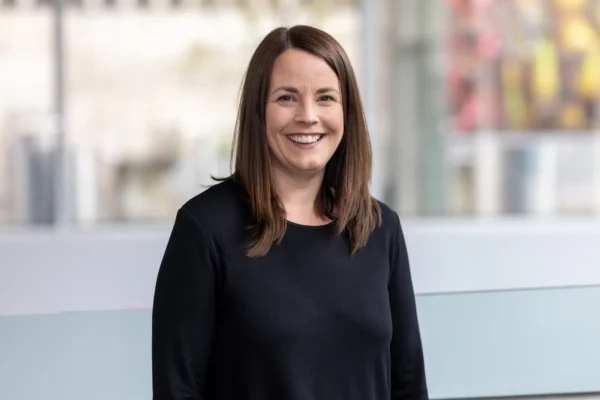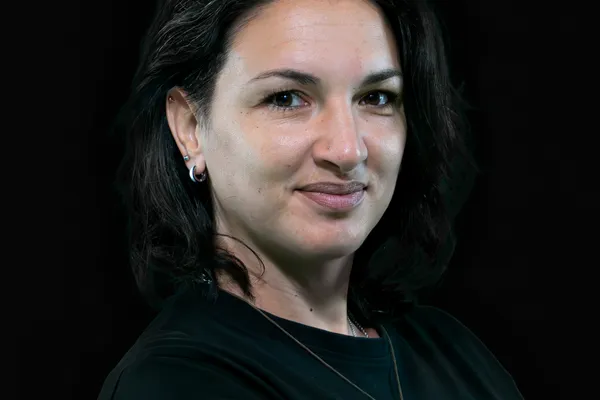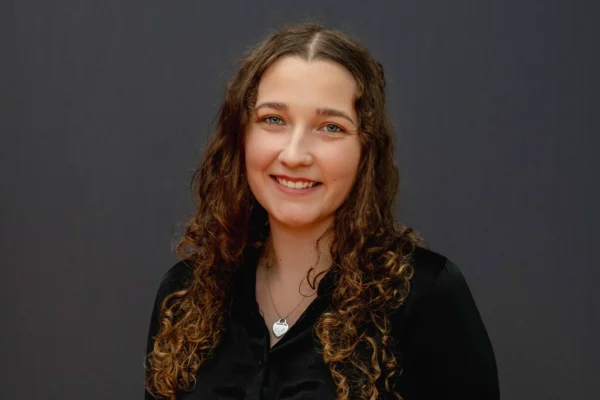

Women make up around 70% of the global events workforce but their stories, leadership, and influence are often underrepresented. The 70% is a weekly series celebrating the women shaping the events industry. From rising stars to seasoned leaders, each profile shines a light on the career journeys, challenges, and perspectives of women working across all corners of the sector.
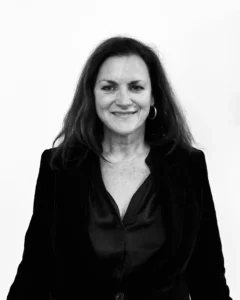
This week, we speak to Nina Ferguson, co-founder, INCA Productions.
How many years have you been in the events industry?
I’ve been in the events industry for 25 years. Over that time, I’ve seen it evolve dramatically, from analogue processes and traditional formats to a world where digital integration, cultural storytelling, and global impact are now central to how we create experiences.
I began my career at MTV, working on some of the world’s most iconic festivals, before moving into live broadcast events such as the BAFTAs and the BRIT Awards. Those early years gave me a front-row seat to the power of live experience to connect audiences on a global scale. That understanding of cultural influence and emotional engagement became the foundation for starting Inca Productions, where we pioneered fashion week platforms and elevated brand storytelling through immersive experiences for some of the world’s most desirable brands.
Today, I believe the role of experiential agencies is no longer just about designing beautiful environments, it’s about shaping cultural narratives and creating spaces where technology, creativity, and purpose intersect. Events have become powerful tools for change, capable of inspiring communities, shifting perceptions, and forging authentic connections between brands and audiences in ways that traditional advertising never could.
How do you balance professional growth with personal commitments, and do you think the industry is evolving in terms of work-life balance?
Like many women in business, balance has been a challenge. Many of us have now learned to set boundaries and redefine what success looks like at different life stages. The industry is getting better, slowly. There’s a growing understanding that creativity thrives not through burnout, but through a well-supported workforce. Hybrid work, mental health awareness, and a bigger picture of the importance of life are becoming part of the conversation, and that’s progress.
How do you see the events industry evolving in terms of diversity, equity, and inclusion?
There’s still a long way to go, but we are seeing real shifts. Clients and audiences alike are demanding greater representation, on stage, in strategy rooms, and across supplier networks. At INCA, we have also tried to make sure our teams and the creatives reflect the diverse world we live in. Diversity can’t be a tick-box exercise, it has to be embedded in the DNA of how we work, who we work with and the stories we choose to tell.
What advice would you give to young women looking to enter and succeed in the events industry?
Be bold. Say yes to the opportunities that scare you, and surround yourself with people who back you. Learn your craft, but also learn the business. Women are already running countries, leading global businesses, and reshaping industries. There’s never been a better moment to step up and own your place.
How do you handle setbacks and failures?
With perspective. Setbacks are inevitable, especially in an industry where so many variables are out of your control. I try to see them as opportunities to reframe. I’ve learned far more from the projects that didn’t go to plan than from the ones that did. And I’ve also learned the power of moving on quickly, there’s always another brief, another idea, another day.
What changes do you think are still needed to create more opportunities for women in leadership?
We need structural change, not just symbolic gestures. That means transparent pay, better maternity and caregiving policies, and environments where women don’t have to outperform to be seen as equal. But we’re also at a pivotal moment: women are leading countries, transforming industries, and changing the narrative. The glass ceiling is being redesigned. What we need now is for more organisations to catch up and back that momentum with action.